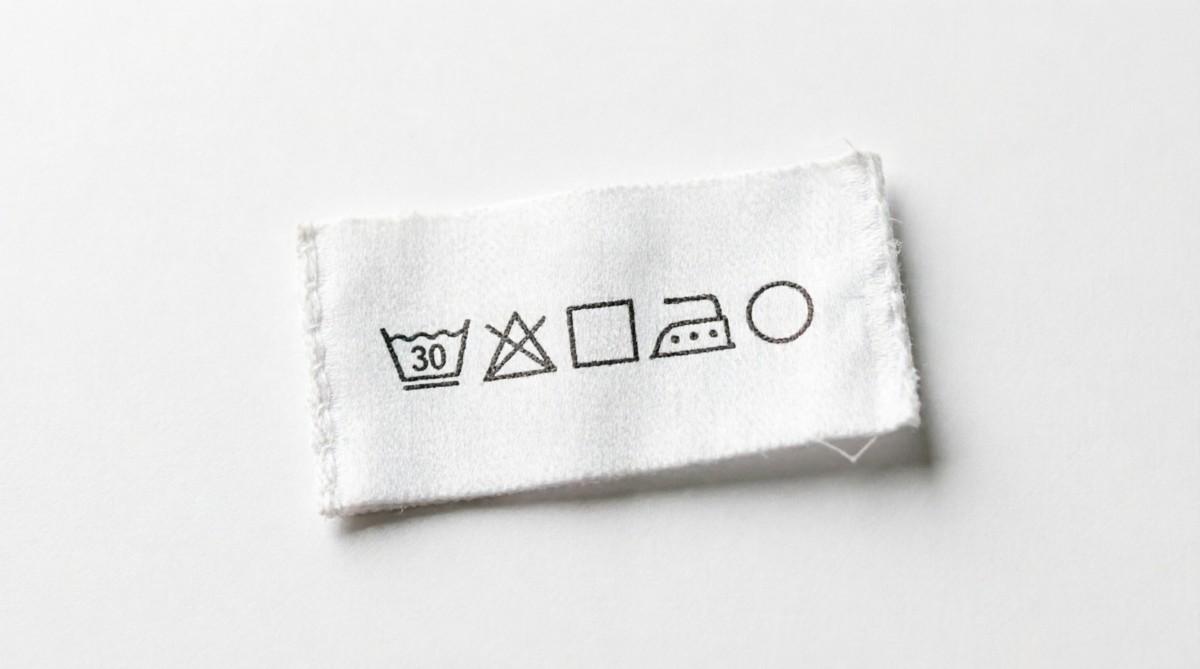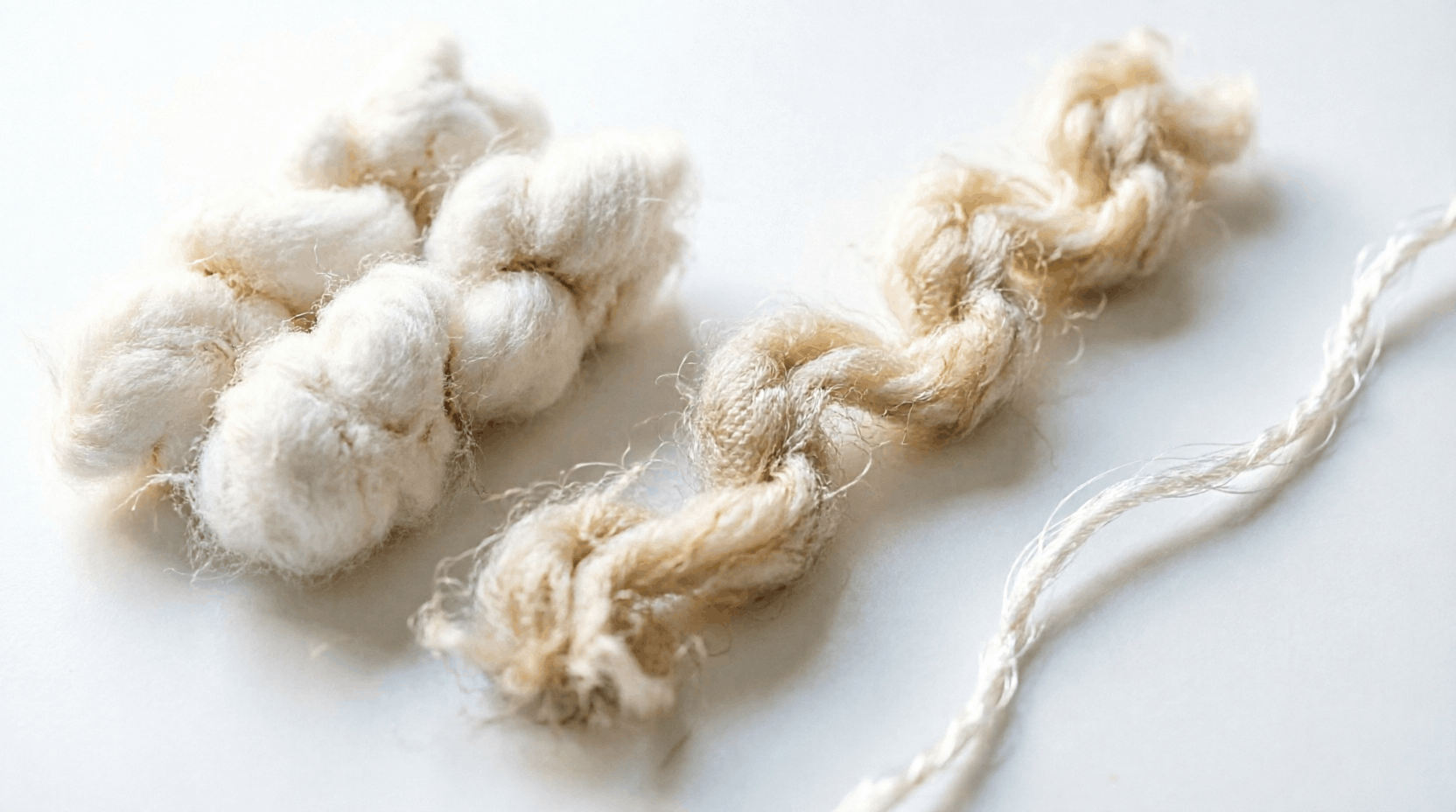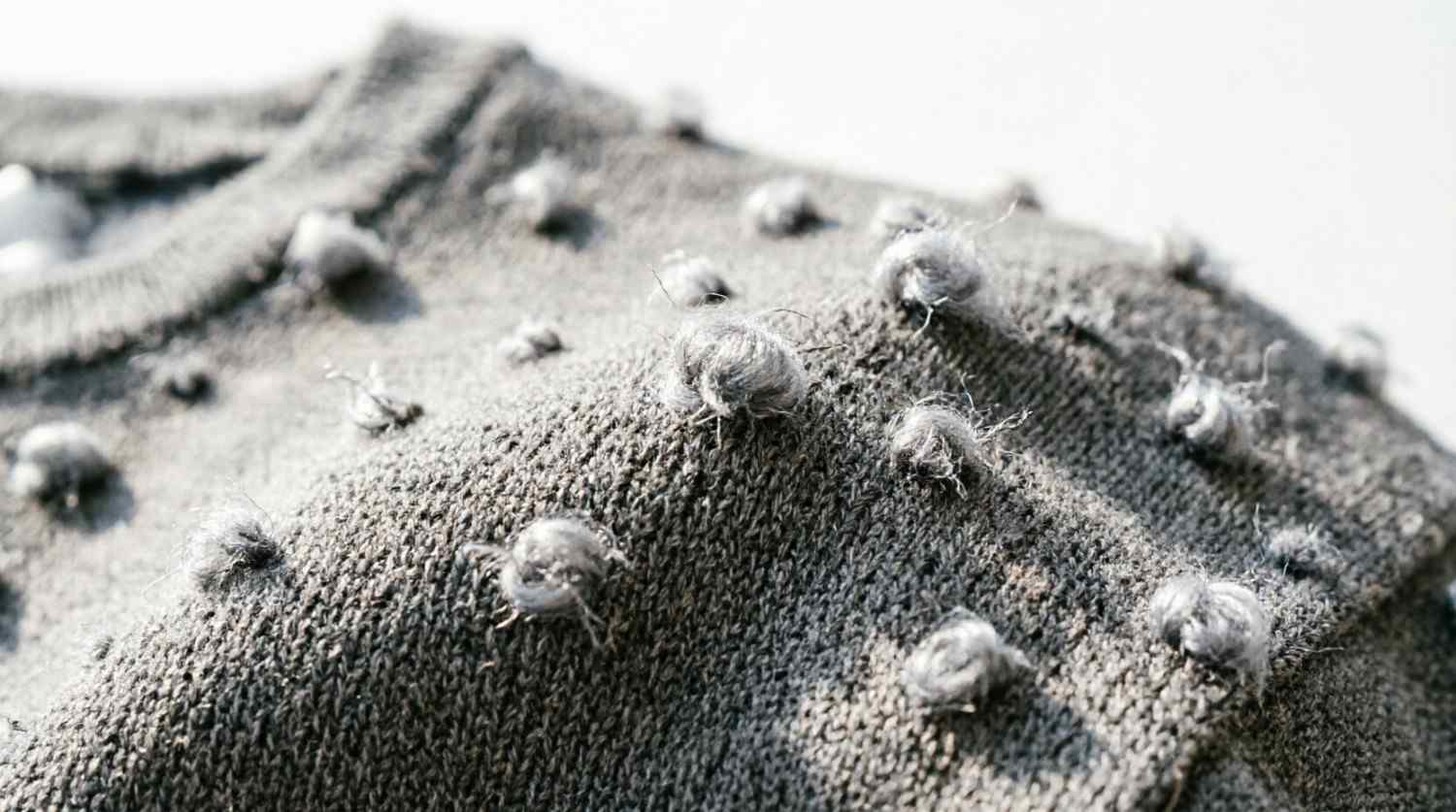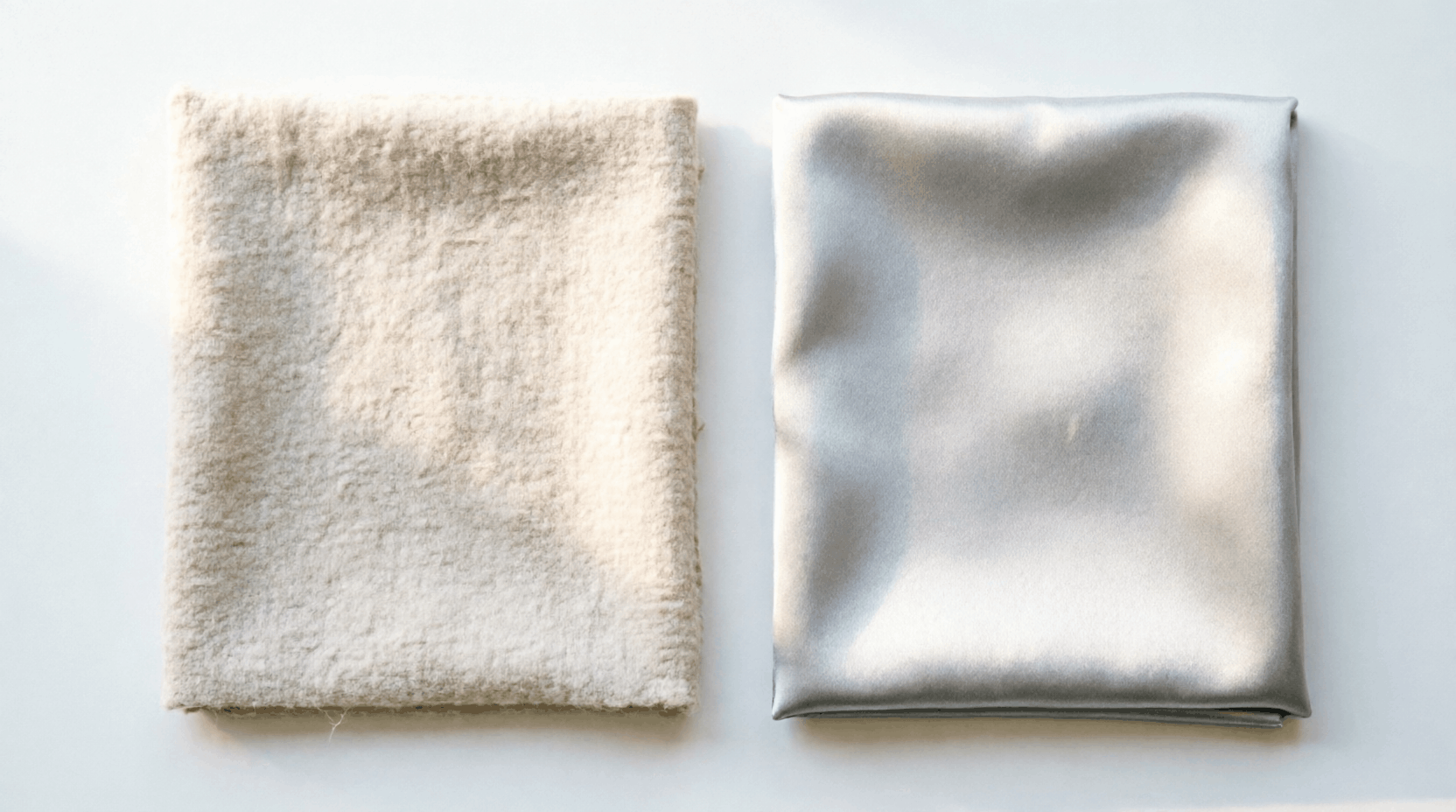
This is one of the most searched comparisons in the entire fabric world, and for good reason. Understanding the difference between natural and synthetic fabrics helps you buy smarter, care for your clothes better, and make more informed choices about what you put on your body and in your home.
What Are Natural Fabrics?
Natural fabrics come from plants or animals. The fiber exists in nature — it just needs to be harvested, cleaned, and spun into yarn before it can be woven or knitted into fabric. Cotton comes from the cotton plant. Wool comes from sheep. Silk comes from silkworm cocoons. Linen comes from the flax plant.
Humans have been using natural fabrics for thousands of years. They were the only option for most of history, and they remain widely used today because of how they feel and perform in everyday life.
Common natural fabrics
- Cotton
- Linen
- Wool
- Silk
- Hemp
- Cashmere
- Alpaca
What Are Synthetic Fabrics?
Synthetic fabrics are entirely man-made. They do not exist in nature — they are created through chemical reactions, usually from petroleum-based raw materials. The first synthetic fiber, nylon, was invented in 1935. Polyester followed in the 1940s. Since then, synthetic fabrics have taken over a majority of global textile production because they are cheaper and easier to produce at scale.
Common synthetic fabrics
- Polyester
- Nylon
- Acrylic
- Spandex / Lycra
- Polyamide
Natural vs Synthetic — Side by Side
| Factor | Natural Fabrics | Synthetic Fabrics |
|---|---|---|
| Source | Plants or animals | Chemical / petroleum based |
| Breathability | Generally very breathable | Less breathable, traps heat |
| Comfort | Soft, comfortable against skin | Can feel scratchy or plasticky |
| Durability | Can wear out faster | More durable, holds shape well |
| Moisture | Absorbs moisture well | Wicks moisture but dries faster |
| Shrinkage | Can shrink if washed incorrectly | Resistant to shrinkage |
| Wrinkles | Wrinkles more easily | Wrinkle resistant |
| Price | Generally more expensive | Generally cheaper |
| Environment | Biodegradable | Not biodegradable, releases microplastics |
| Care | Requires more careful washing | Easy to wash and maintain |
Where Natural Fabrics Win
Breathability and comfort
Natural fabrics breathe. Cotton, linen, and wool all allow air to move through the fabric, which keeps your body temperature regulated. This is why a cotton t-shirt feels comfortable on a warm day while a polyester one can feel suffocating. If you run hot, sweat easily, or live in a warm climate — natural fabrics are almost always the more comfortable choice.
Feel against skin
Most people find natural fabrics more pleasant to wear directly against skin. Cotton is soft. Linen softens with every wash. Silk feels smooth and cool. For anyone with sensitive skin or fabric allergies, natural fibers are usually the safer option.
Environmental impact at end of life
Natural fabrics are biodegradable. A cotton t-shirt buried in soil will break down over time. A polyester shirt will not — it will persist in the environment for hundreds of years. If sustainability matters to you, natural fabrics have a clear advantage at end of life, even if their production is not always perfectly clean.
Where Synthetic Fabrics Win
Durability
Synthetic fabrics are generally tougher. Polyester resists wear, holds its shape, and does not break down as quickly as natural fibers under everyday use. Nylon is extremely abrasion resistant — which is why it is used for bags, ropes, and outerwear. If you need something to last through heavy use, synthetics often outperform natural fabrics.
Moisture management in activewear
This is where synthetics genuinely excel. Polyester and nylon are designed to pull moisture away from the skin and dry quickly — which is exactly what you want during exercise. A cotton t-shirt soaks up sweat and stays wet. A polyester athletic shirt moves sweat away and dries in minutes. For sportswear and activewear, synthetic fabrics are the better technical choice.
Price and accessibility
Synthetic fabrics are cheaper to produce and cheaper to buy. A polyester shirt can cost a fraction of what a comparable linen or cotton shirt costs. For everyday basics where budget matters more than premium feel, synthetics deliver more for less.
What About Blends?
Most modern fabrics are not purely natural or purely synthetic — they are blends of both. A cotton-polyester blend gives you the softness and breathability of cotton combined with the durability and wrinkle resistance of polyester. A wool-nylon blend gives you the warmth and comfort of wool with added strength.
Blends are everywhere because they let manufacturers combine the best qualities of each fiber type. When you see a label that says "60% Cotton, 40% Polyester," that is a blend designed to sit in between — more comfortable than pure polyester, more durable and affordable than pure cotton.
Which Should You Choose?
There is no universal answer. The right choice depends on what the fabric is for.
- For everyday clothing and warm weather — natural fabrics, especially cotton and linen
- For activewear and sportswear — synthetic fabrics like polyester and nylon
- For winter warmth — wool, with or without a synthetic blend for durability
- For luxury and special occasions — silk or cashmere
- For budget-friendly basics — synthetics or cotton-polyester blends
- For sensitive skin — natural fabrics, particularly organic cotton
Frequently Asked Questions
Are natural fabrics always better than synthetic?
No. Natural fabrics are more comfortable in many situations, but synthetic fabrics outperform them in durability, moisture management, and price. The better choice always depends on what the fabric is being used for.
Are synthetic fabrics harmful to health?
For most people, synthetic fabrics are perfectly safe to wear. However, some people with sensitive skin find that synthetic fabrics cause irritation. There is also ongoing research into the health implications of microplastics released by synthetic fabrics during washing.
Which is more sustainable — natural or synthetic?
Neither is clearly better. Natural fabrics are biodegradable but can require large amounts of water and pesticides to produce. Synthetic fabrics use petroleum and release microplastics but can be made from recycled materials. The honest answer is that both have significant environmental tradeoffs.
Do synthetic fabrics smell more than natural ones?
Yes, in general. Synthetic fabrics tend to hold odor more than natural fabrics, particularly after exercise. This is because synthetic fibers trap bacteria more easily than natural ones. Wool is a notable exception among natural fabrics — it is naturally odor resistant.
The Bottom Line
Natural and synthetic fabrics are not competitors — they are tools, and each one is suited to different jobs. Understanding what each type does well and where it falls short gives you the ability to choose the right fabric for every situation rather than defaulting to whatever is cheapest or most familiar.
The more you pay attention to what your clothes and home textiles are made of, the better your choices get over time. Start reading those labels — the information is right there.