Pilling is not random. It happens for specific reasons, it affects some fabrics far more than others, and there are concrete things you can do to slow it down, prevent it, and remove it when it does happen. This guide covers all of it.
What Is Pilling?
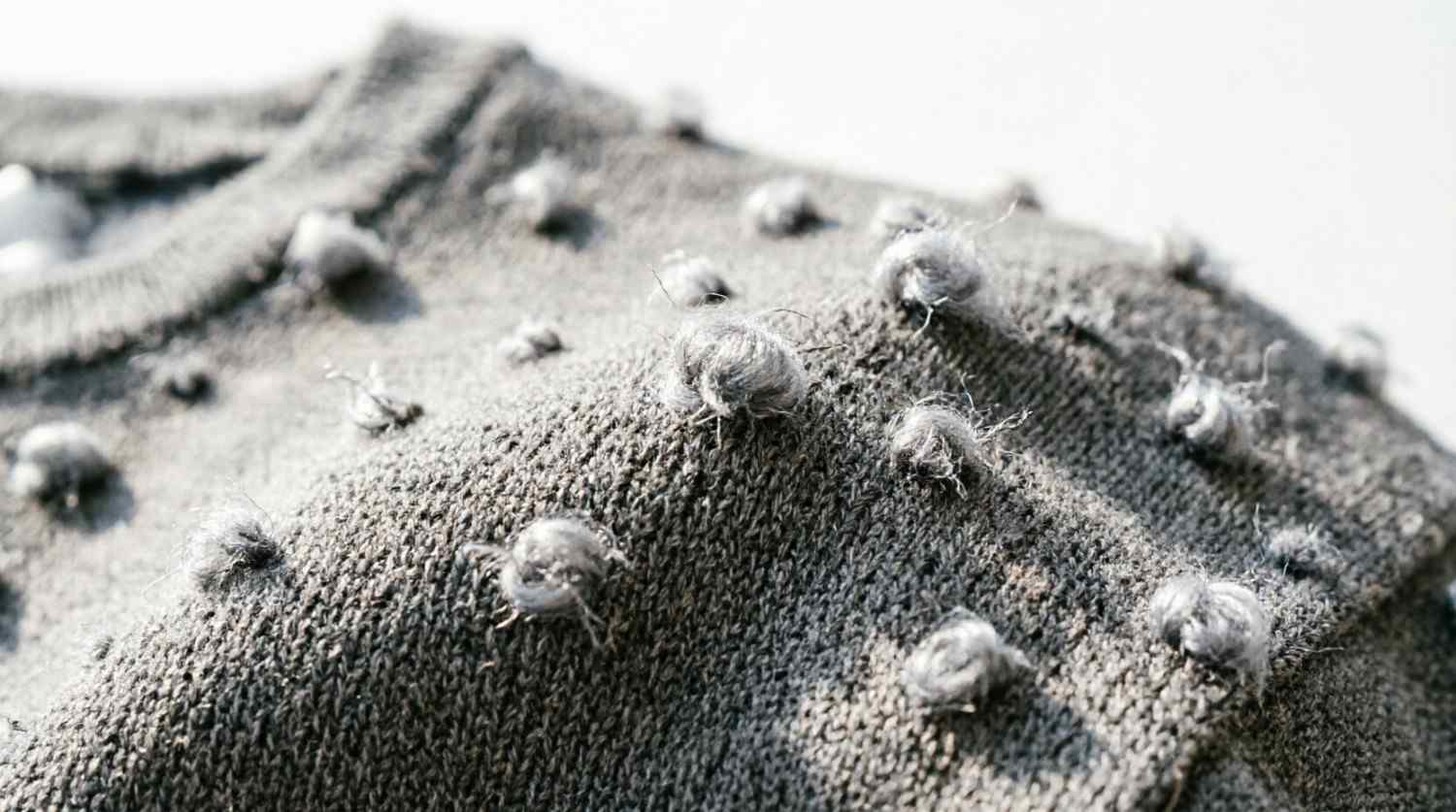
Pilling is the formation of small balls of tangled fiber on the surface of a fabric. Each pill is a cluster of loose fiber ends that have worked their way out of the yarn structure and tangled together through friction. The fiber does not disappear — it just migrates to the surface and knots up into those visible balls.
Pills are held to the fabric surface by a few fibers that are still anchored inside the yarn. On natural fiber fabrics like cotton and wool, those anchor fibers eventually break and the pills fall off — which is why an old cotton sweater sometimes looks better than a newer one. On synthetic fabrics like polyester and acrylic, the anchor fibers are stronger and do not break as easily, so pills stay attached and accumulate on the surface permanently.
What Causes Pilling
The root cause of pilling is friction — but several factors determine how quickly and severely a fabric pills.
Fiber length
This is the biggest factor. Short fibers have more free ends within the yarn structure, and those ends are closer to the surface and more likely to work their way out under friction. Fabrics made from short-staple fibers pill faster than fabrics made from long-staple fibers. This is why a cheap cotton t-shirt pills faster than one made from long-staple Egyptian or Pima cotton — the fibers are literally shorter, and there are more loose ends per inch of yarn.
Yarn twist
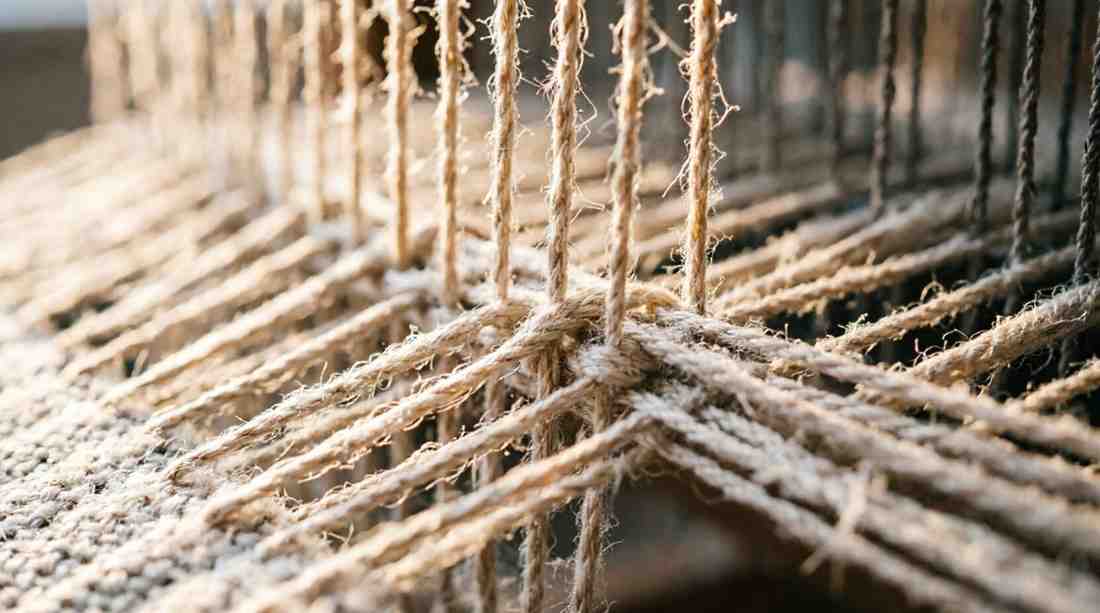
A tightly twisted yarn holds its fibers more securely than a loosely twisted one. Loose, fluffy yarns — like the soft yarn used in budget knitwear — have more fiber ends near the surface and less tension holding them in place. Tight, smooth yarns resist pilling significantly better. This is why a chunky, soft knit sweater tends to pill faster than a fine merino one.
Fabric construction
Knitted fabrics pill more than woven fabrics because the loop structure sits at the surface and gives fiber ends more opportunity to emerge. Loosely woven fabrics pill more than tightly woven ones for the same reason. The more open the fabric structure, the more access friction has to the individual fibers.
Fiber type
Some fibers are simply more prone to pilling than others.
| Fiber | Pilling Tendency | Reason |
|---|---|---|
| Polyester | High — pills stay attached | Strong fibers hold pills in place |
| Acrylic | Very high | Short, weak fibers and strong pill anchors |
| Cotton (short staple) | Moderate — pills fall off eventually | Weak anchor fibers eventually break |
| Cotton (long staple) | Low | Fewer free ends, smoother surface |
| Wool | Moderate initially — reduces over time | Early pills fall off as anchor fibers break |
| Linen | Low | Long, smooth fibers with few free ends |
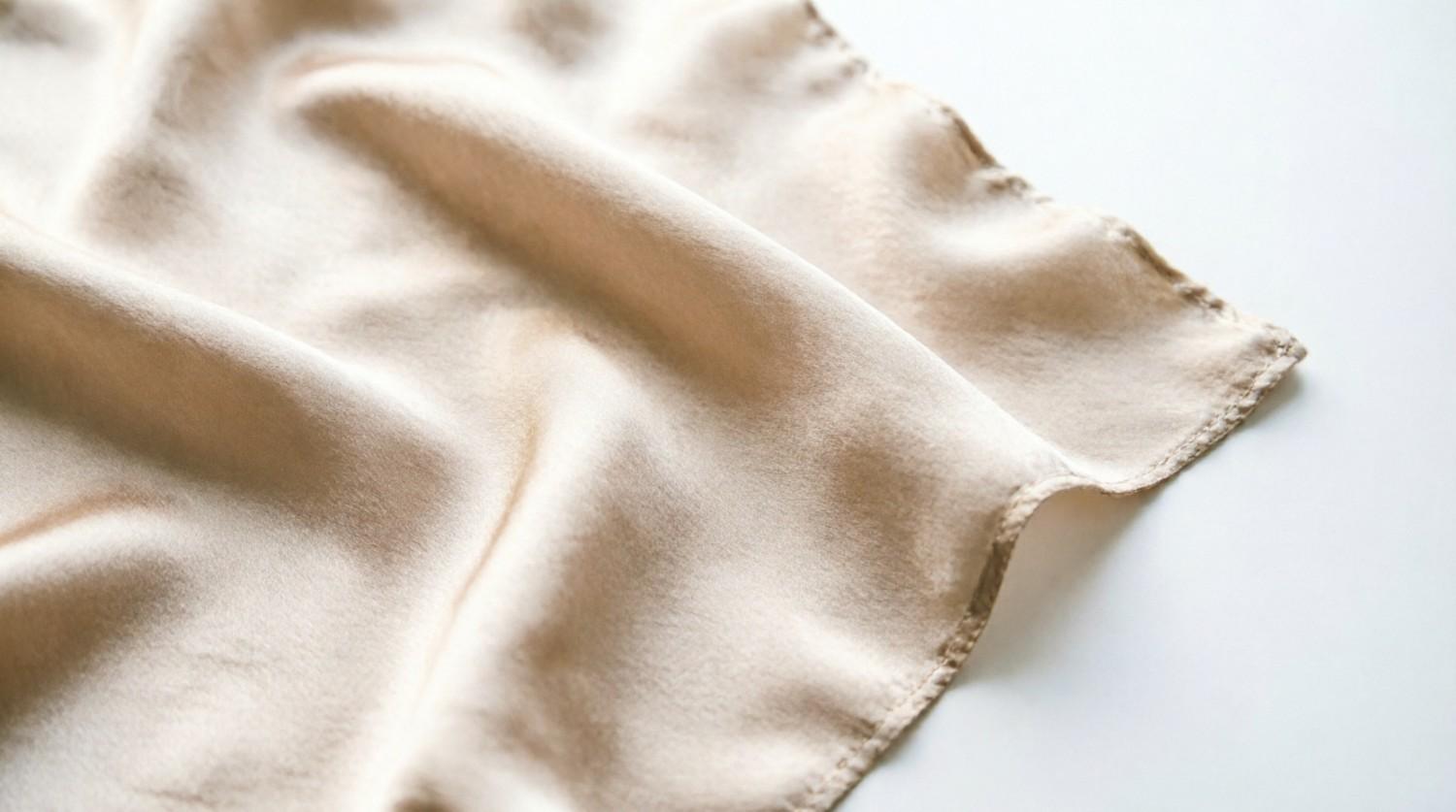
| Silk | Very low | Continuous filament — almost no free ends |
How to Prevent Pilling
You cannot eliminate pilling entirely, but you can slow it down significantly with the right habits.
Wash inside out
Most pilling from washing happens because the fabric surface rubs against itself and other items in the machine. Turning garments inside out before washing puts the visible outer surface on the inside where it gets less direct friction. This one habit makes a noticeable difference over time.
Use a gentle or delicate cycle
The more agitation a fabric goes through in the wash, the more friction the fibers experience. A gentle cycle with slower spin reduces that agitation. For wool and fine knitwear, hand washing is even better.
Use a mesh laundry bag
A mesh laundry bag contains the garment and prevents it from rubbing against zippers, buttons, and rougher fabrics in the same load. Particularly useful for sweaters, knitwear, and anything with a loose knit structure.
Wash in cold water
Hot water causes fibers to swell and makes them more likely to migrate out of the yarn structure. Cold water keeps fibers tighter and reduces the friction damage that leads to pilling.
Skip the dryer when possible
The tumbling action of a dryer creates significant friction. Air drying — laying knitwear flat or hanging woven garments — dramatically reduces pilling compared to machine drying. If you do use a dryer, use a low heat setting.
Buy better quality fabric
The most effective prevention is choosing fabrics made from longer fibers and tighter construction in the first place. Long-staple cotton, fine merino wool, and tightly woven or knitted fabrics will always pill less than their cheaper counterparts, regardless of how carefully you wash them.
How to Remove Pills
Once pills have formed, there are several ways to remove them and restore the surface of the fabric.
Fabric shaver / lint shaver
A fabric shaver is a small electric device with a rotating blade that shaves pills off the surface of the fabric cleanly. It is the most effective tool for pill removal and works on almost any fabric. Run it gently over the pilled surface in small circular motions. Empty the collection chamber regularly. A good fabric shaver can make a heavily pilled sweater look almost new.
Sweater stone
A sweater stone is a pumice-like block that catches and pulls pills off the fabric surface when rubbed gently across it. It works well on wool and cotton knitwear and does not require batteries or charging. Use light pressure to avoid damaging the fabric underneath.
Disposable razor
A standard disposable razor can remove pills in a pinch. Hold the fabric taut and shave lightly across the surface. This works reasonably well but requires more care than a dedicated fabric shaver to avoid cutting the fabric itself.
Velcro or tape
For very light pilling or surface fuzz, pressing a piece of tape or the rough side of a velcro strip against the fabric and peeling it away can lift surface pills. Less effective than a shaver for heavy pilling but useful for quick touch-ups.
Frequently Asked Questions
Does pilling mean a fabric is low quality?
Not always, but often. Heavy pilling that stays attached permanently is more common in cheap synthetic fabrics. Light pilling that eventually falls off is normal in wool and short-staple cotton. Premium long-staple cotton and fine merino wool pill significantly less than budget versions of the same fiber.
Can you stop a fabric from pilling completely?
No fabric is completely pill-proof, but silk, linen, and high-quality long-staple cotton come close in everyday use. The combination of longer fibers, tighter weave, and careful washing keeps pilling minimal for the life of the garment.
Does washing frequency affect pilling?
Yes. Every wash cycle creates friction. Washing less frequently — and spot cleaning when possible — extends the surface life of pilling-prone fabrics. This is particularly relevant for wool sweaters, which generally need washing far less often than most people think.
The Bottom Line
Pilling is a fabric reality, not a flaw you just have to accept without understanding. It happens because of friction acting on loose fiber ends, and it happens faster on certain fibers, certain yarn structures, and certain fabric constructions. The more you understand about why it happens, the better equipped you are to choose fabrics that resist it, care for them in ways that slow it down, and fix it when it does appear.