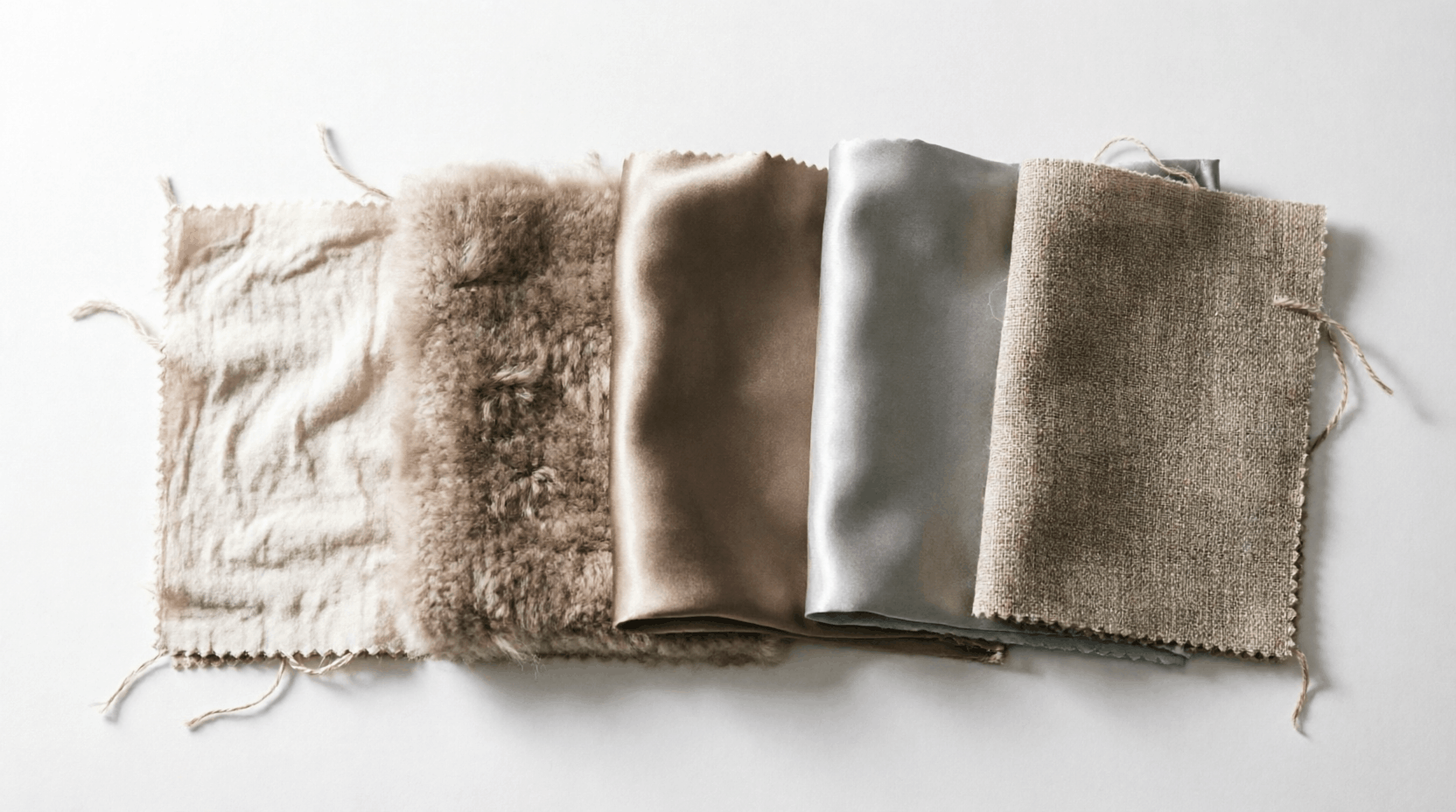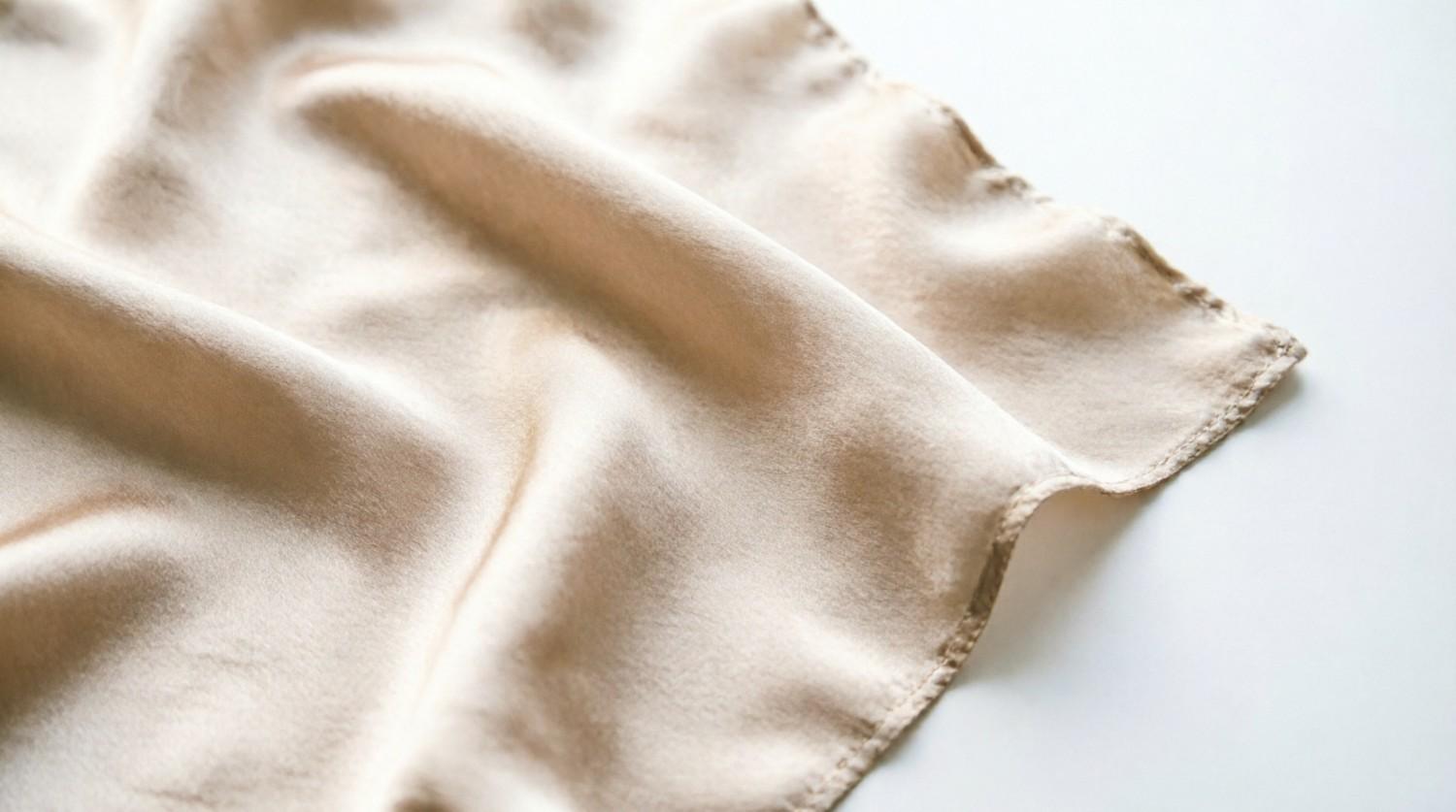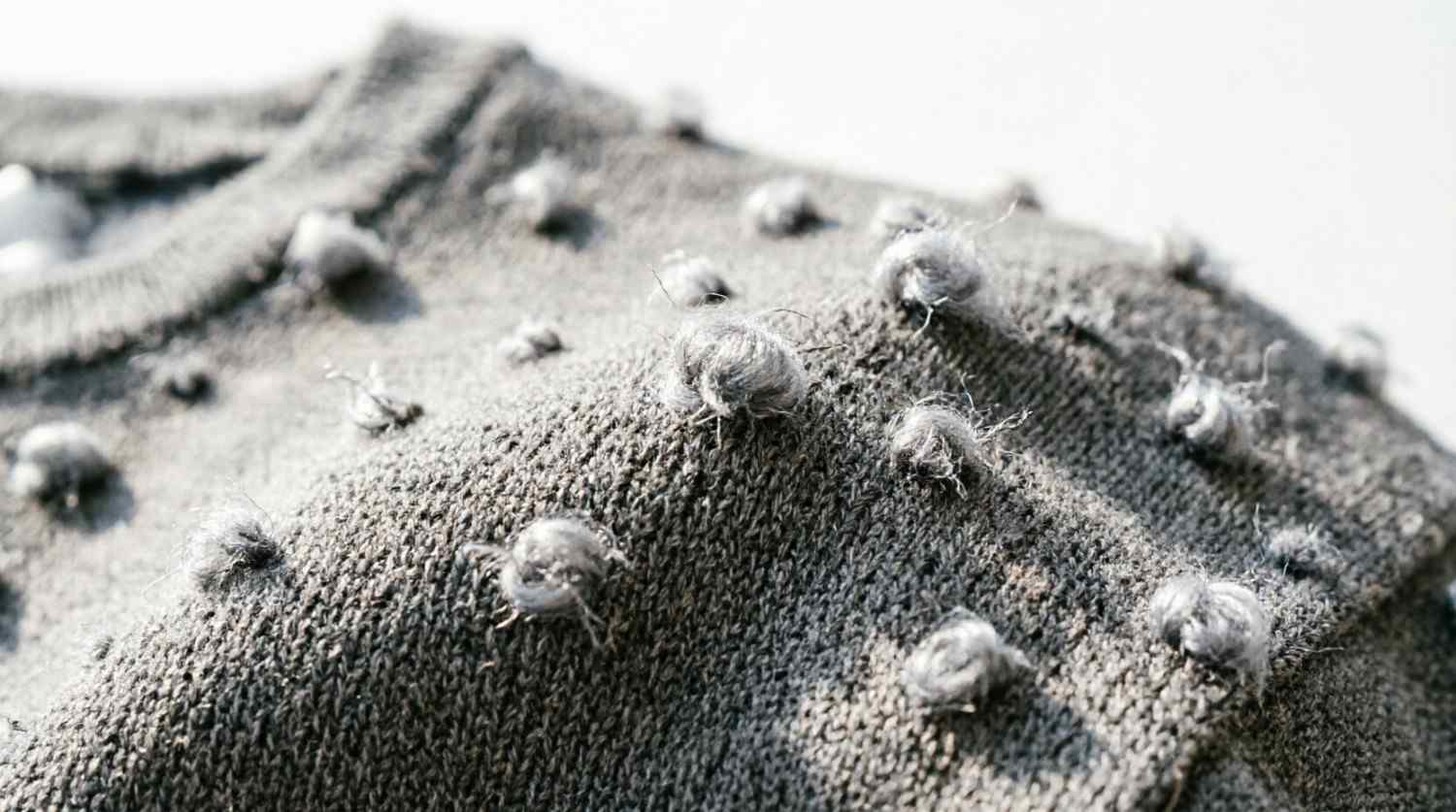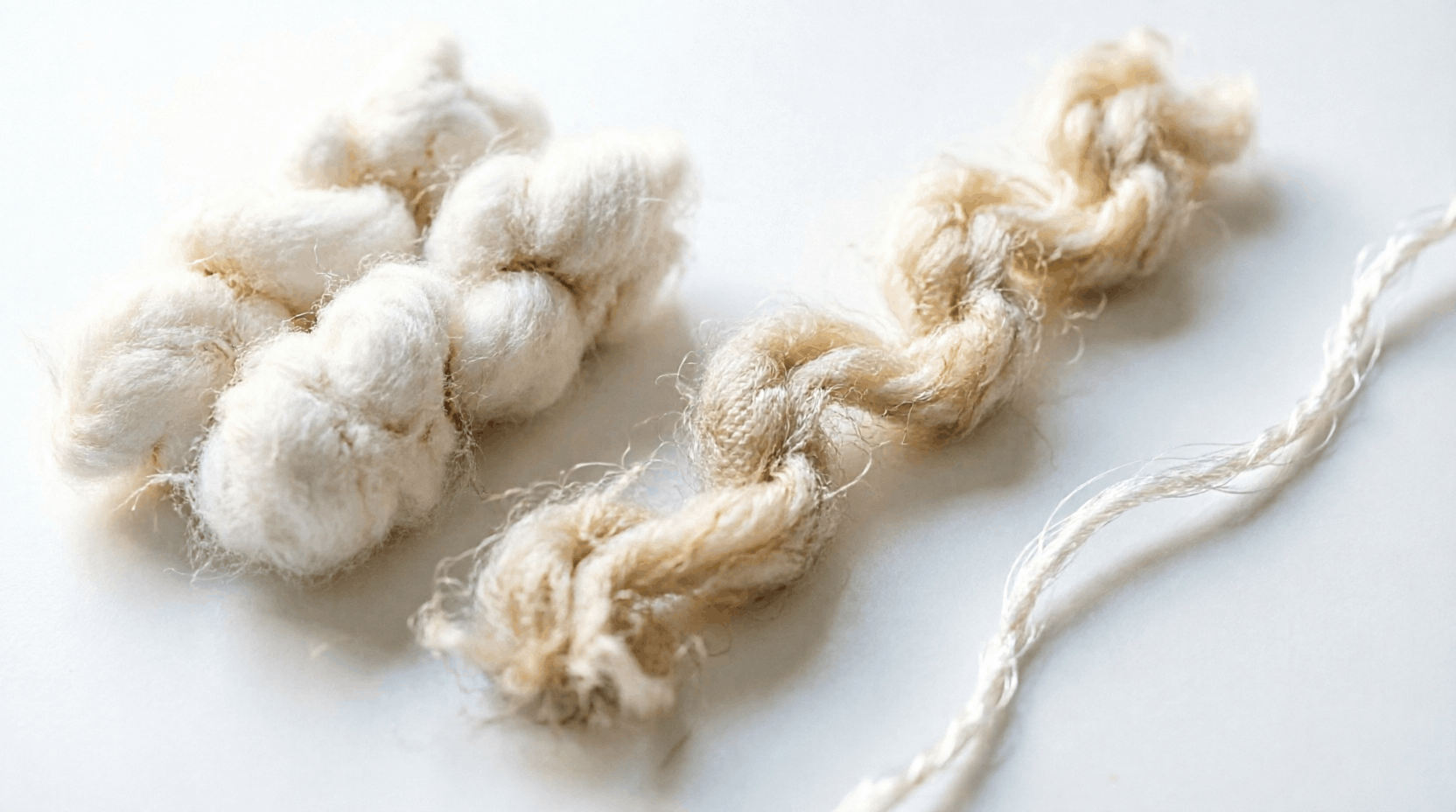
Most people never think about fiber at all. They think about fabric — cotton, polyester, wool — without realizing that those are fiber names, not fabric names. Understanding what fiber actually is clears up a lot of confusion about how textiles work and why different fabrics behave the way they do.
What Is a Fiber?
A fiber is a thin, flexible strand of material whose length is much greater than its width. That is the technical definition. In practical terms, a fiber is the raw thread-like unit that gets spun into yarn and eventually woven or knitted into fabric.
Fibers can be almost invisibly fine — a single strand of silk fiber is finer than a human hair — or relatively thick, like the coarse fibers used in rope or burlap. What all fibers share is that they are long relative to their width, and that length is what makes them useful for spinning into yarn.
The Two Main Categories of Fiber
Natural fibers
Natural fibers come from plants or animals. They exist in nature and are harvested rather than manufactured. Cotton, wool, silk, linen, and hemp are all natural fibers. Each one has properties that come directly from its biological source — which is why wool is warm, cotton absorbs moisture, and silk has that distinctive smooth feel.
Synthetic fibers
Synthetic fibers are made entirely by humans through chemical processes. They do not exist in nature. Polyester, nylon, acrylic, and spandex are all synthetic fibers, produced by forcing liquid chemicals through tiny holes to create long continuous strands. Synthetic fibers can be engineered to have specific properties — stretch, strength, moisture-wicking — that natural fibers cannot always provide.
There is also a third category — semi-synthetic fibers like rayon and modal — which start from natural raw materials like wood pulp but are transformed through heavy chemical processing into a new fiber that does not occur naturally.
Staple Fibers vs Filament Fibers
This is a distinction that most beginners have never heard of, but it explains a lot about why different fabrics feel the way they do.
Fibers come in two basic forms: staple and filament.
Staple fibers are short — typically between one and several inches long. Cotton fibers, wool fibers, and most natural fibers are staple fibers. Because they are short, they must be twisted together in large numbers to form a continuous yarn. That twisting process is spinning. The short ends of staple fibers that stick out from the yarn surface are what give cotton and wool fabrics their characteristic soft, slightly fuzzy texture.
Filament fibers are long and continuous — sometimes running the entire length of a spool of yarn without a break. Silk is the only natural filament fiber, which is why silk fabric has that unusually smooth, unbroken surface. Most synthetic fibers are produced as filaments. Filament yarns are smoother and more lustrous than staple yarns because there are no short ends sticking out from the surface.
| Type | Length | Examples | Fabric feel |
|---|---|---|---|
| Staple fiber | Short — inches long | Cotton, wool, linen | Soft, matte, slightly textured |
| Filament fiber | Long — continuous | Silk, polyester, nylon | Smooth, lustrous, even surface |
How Fiber Properties Affect Fabric
The fiber is where a fabric's core properties come from. No amount of finishing or processing can fundamentally change what a fiber is. Cotton will always absorb moisture because of its chemical structure. Polyester will always be hydrophobic — resistant to water absorption — for the same reason. Wool will always provide insulation because of the microscopic scales on each fiber that trap air.
Here is how the most common fibers translate into fabric properties:
| Fiber | Key Properties | Why |
|---|---|---|
| Cotton | Absorbent, breathable, soft | Hollow fiber structure absorbs moisture easily |
| Wool | Warm, moisture-wicking, odor resistant | Scaly fiber surface traps air and resists bacteria |
| Silk | Smooth, lustrous, lightweight | Continuous filament with triangular cross-section reflects light |
| Linen | Cool, strong, gets softer with use | Thick, stiff fiber with natural wax coating |
| Polyester | Durable, wrinkle resistant, quick drying | Hydrophobic synthetic polymer does not absorb water |
| Nylon | Strong, stretchy, abrasion resistant | Highly elastic polymer with excellent tensile strength |
Why Fiber Content Is on Every Clothing Label
In most countries, clothing manufacturers are legally required to list the fiber content of every garment. That label telling you "100% Cotton" or "80% Polyester, 20% Cotton" is not just marketing — it is a disclosure of what the garment is actually made from.
Knowing the fiber content tells you how to wash the garment, how it will feel to wear, how long it is likely to last, and whether it is appropriate for the climate or activity you need it for. It is the most useful single piece of information on any clothing label, and most people walk past it without reading it.
Frequently Asked Questions
Is fiber the same as thread?
Not exactly. Fiber is the raw material — individual strands before they are processed. Thread is a finished product made by spinning and twisting fibers together, typically used for sewing. Yarn is also made from fiber but is used for weaving and knitting fabric rather than sewing.
What is the strongest natural fiber?
Silk is often cited as the strongest natural fiber by weight — its tensile strength is comparable to some steel alloys. Spider silk is even stronger, but cannot be farmed at commercial scale. Among plant fibers, hemp is exceptionally strong.
Can a fabric be made from a single fiber?
Yes. A "100% cotton" fabric is made entirely from cotton fiber. But many fabrics blend two or more fiber types to combine properties — strength from one, softness from another, stretch from a third.
The Bottom Line
Fiber is where everything in the textile world begins. The reason your cotton shirt breathes, your wool sweater keeps you warm, and your polyester jacket sheds rain — all of it traces back to the properties of the fiber those garments are made from. Once you understand fiber, everything else about fabric starts to make sense from the ground up.