This guide covers the basics. What fabric is, how it is made, the main types, and what makes each one different. If you are just starting to learn about textiles, this is the right place to begin.
What Is Fabric, Exactly?
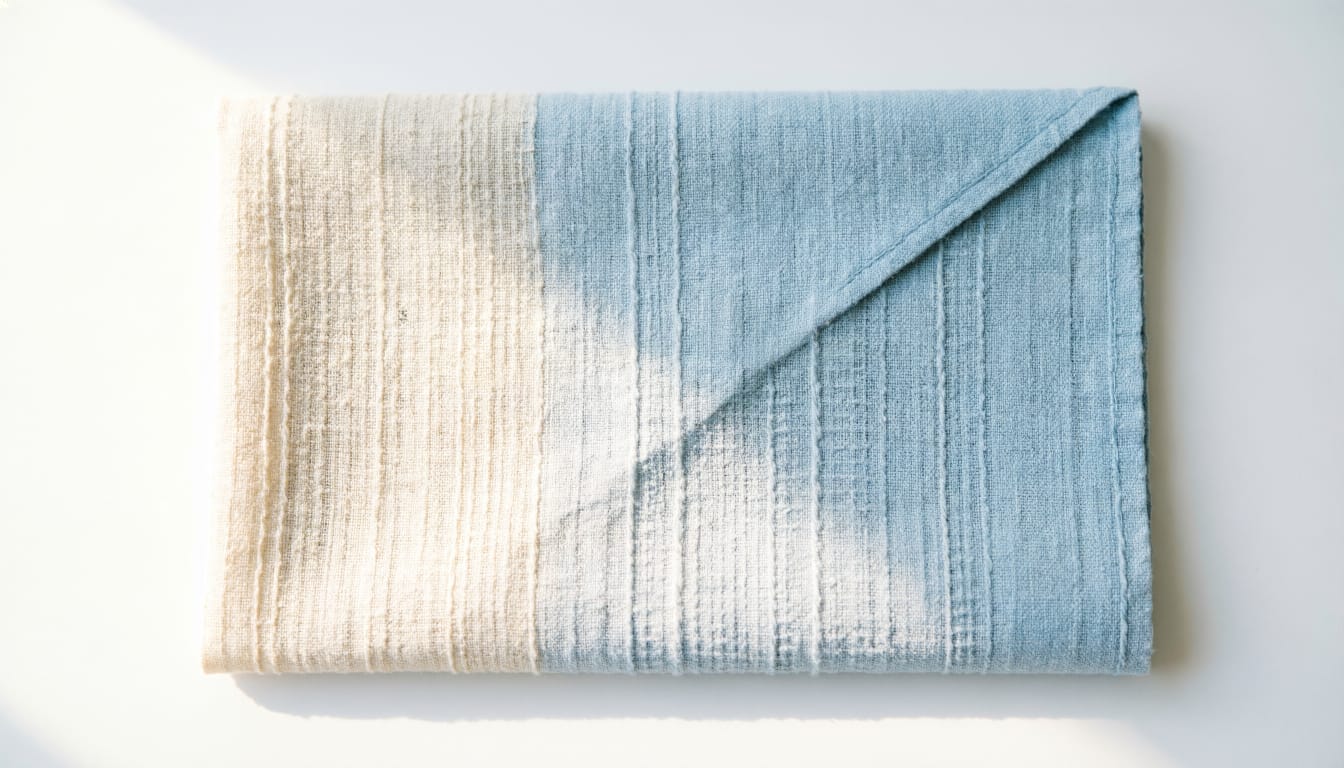
Fabric is a flat, flexible material made from fibers or yarns that have been constructed into a sheet through weaving, knitting, or bonding. It is the finished material — the thing you can hold, cut, sew, and use.
Every fabric starts as a fiber. That fiber gets spun into yarn. That yarn gets woven or knitted into the flat material we call fabric. From there, the fabric gets dyed, finished, and eventually turned into whatever its final purpose is — a shirt, a curtain, a car seat, or a bandage.
The type of fiber used, the way the yarn is spun, and the method used to construct the fabric all affect how the final material looks, feels, and performs. Two fabrics can both be made from cotton and feel completely different depending on how they were woven.
How Fabric Is Made
There are three main ways fabric is constructed from yarn or fiber.
Weaving
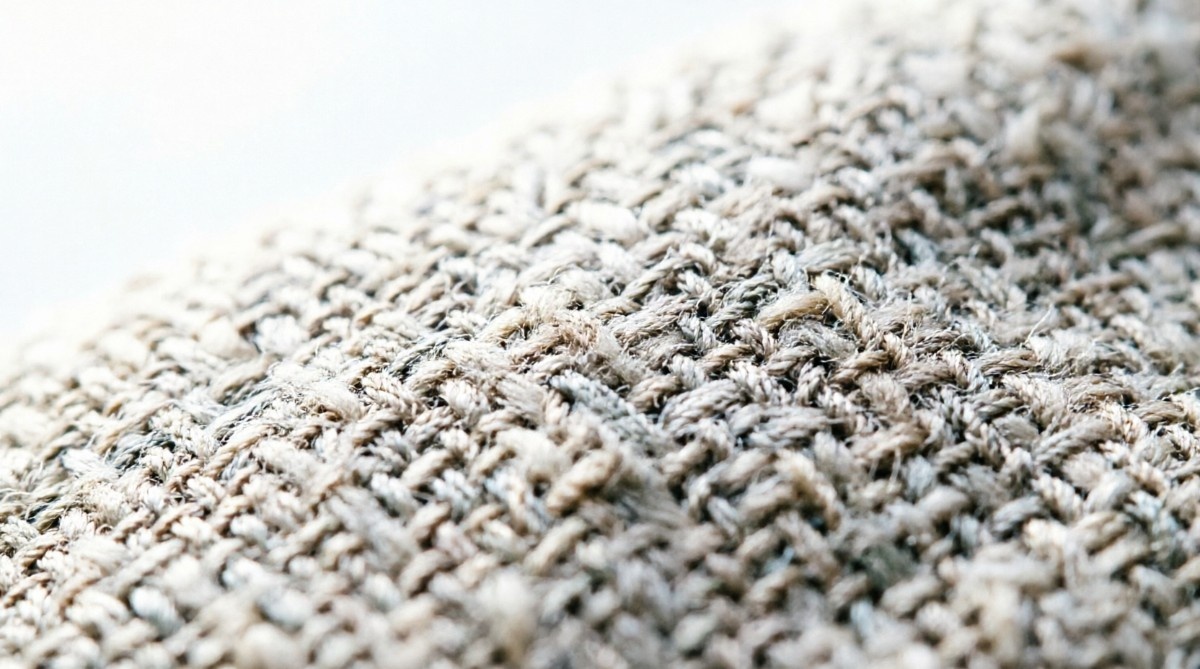
Weaving is the oldest and most common method. Two sets of yarn — one running lengthwise, one running crosswise — are interlaced at right angles on a loom. The result is a stable, structured fabric. Denim, linen, canvas, and most dress fabrics are woven. Woven fabrics do not stretch much, which makes them good for structured garments and home textiles.
Knitting
Knitting loops yarn together in a series of interlocking rows. The result is a stretchy, flexible fabric. T-shirt fabric, jersey, and most activewear are knitted. Because the loops can expand and contract, knitted fabrics stretch easily in all directions — which is why your t-shirt moves with your body while a woven dress shirt does not.
Nonwoven
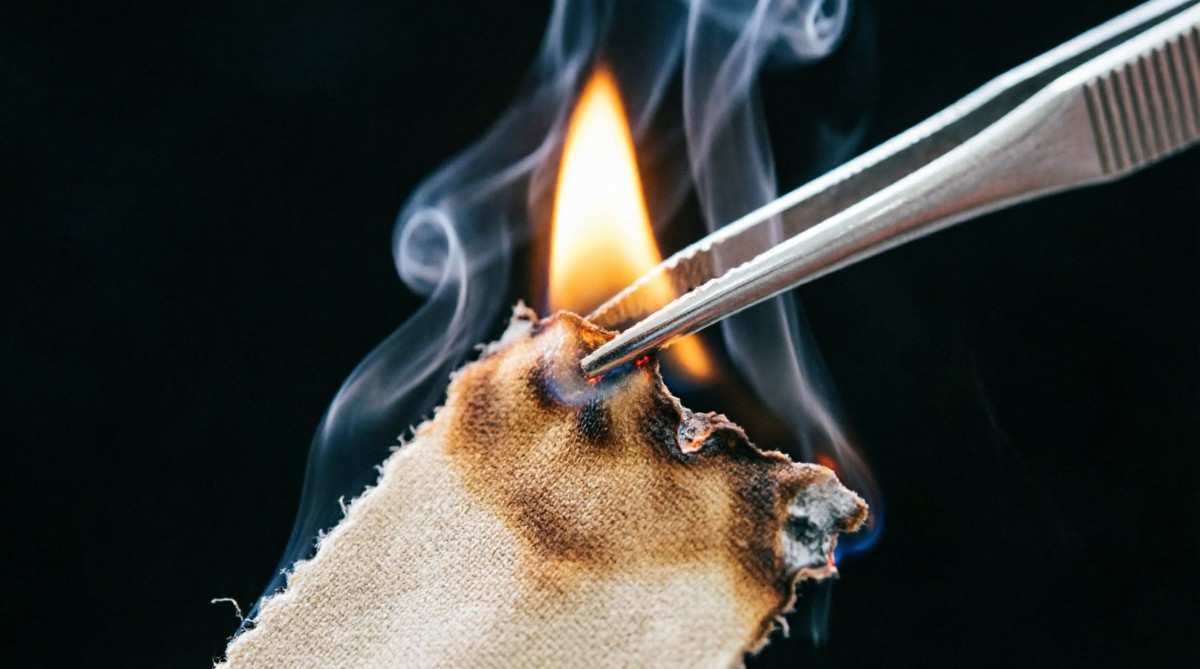
Nonwoven fabrics are made by bonding or felting fibers together directly — no spinning into yarn, no weaving or knitting. Felt is the most familiar example. Many medical fabrics, disposable wipes, and interfacing materials used in sewing are also nonwoven. These fabrics tend to be less durable than woven or knitted fabrics but are cheap and quick to produce.
The Main Types of Fabric
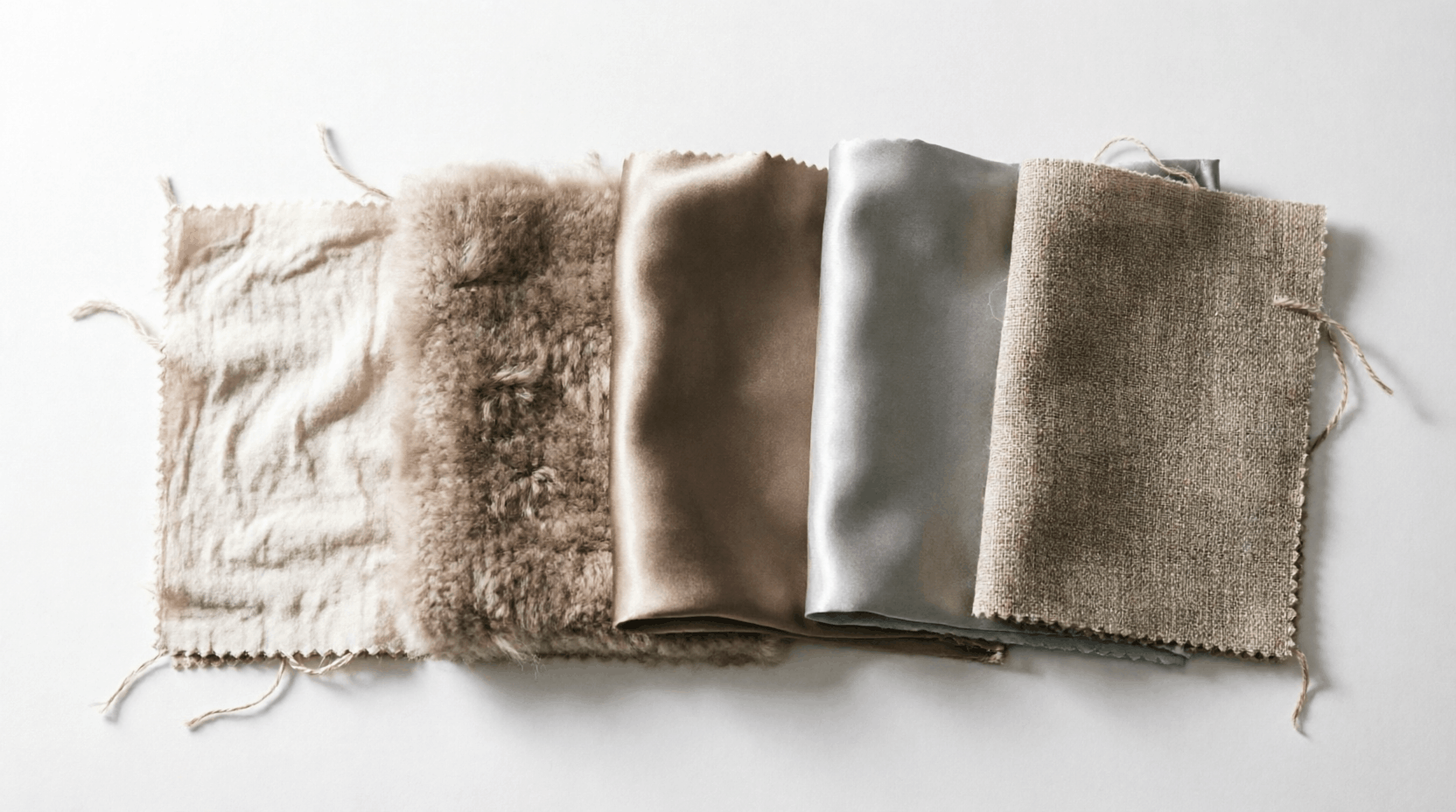
Fabrics are usually grouped by the fiber they are made from. Here is a broad overview of the most common types.
| Fabric Type | Made From | Key Qualities |
|---|---|---|
| Cotton | Cotton plant | Soft, breathable, easy to wash, affordable |
| Linen | Flax plant | Cool, strong, gets softer with age, wrinkles easily |
| Wool | Sheep fleece | Warm, moisture-wicking, naturally odor resistant |
| Silk | Silkworm cocoons | Smooth, lustrous, lightweight, delicate |
| Polyester | Petroleum chemicals | Durable, wrinkle resistant, quick drying, affordable |
| Nylon | Chemical synthesis | Strong, stretchy, abrasion resistant |
| Rayon | Wood pulp | Soft, drapes well, feels similar to natural fibers |
| Spandex | Polyurethane | Extremely stretchy, used in blends for added stretch |
Most fabrics you buy today are not made from a single fiber — they are blends. A cotton-polyester blend gives you the softness of cotton with the durability and wrinkle resistance of polyester. A wool-nylon blend gives you the warmth of wool with added strength. Reading the fiber content label on your clothing tells you exactly what you are working with.
What Makes Fabrics Different From Each Other
Two fabrics can look similar and feel completely different. Several factors determine how a fabric performs in real use.
- Fiber content — The raw material is the biggest factor. Cotton breathes. Polyester does not. Wool insulates. Silk is delicate. The fiber sets the baseline for everything else.
- Weave or knit structure — A tightly woven fabric is more durable and less stretchy than a loosely woven one. A fine knit is lighter and more flexible than a heavy knit.
- Weight — Fabric weight is measured in GSM — grams per square meter. A lightweight fabric like chiffon might be 30 GSM. A heavy denim might be 400 GSM. Weight affects how a fabric drapes, how warm it is, and what it is suited for.
- Finishing treatments — Many fabrics are treated after construction to give them specific properties. Water resistance, wrinkle resistance, softness, and stain resistance can all be added through chemical finishing. This is why two fabrics with identical fiber content can behave very differently.
Frequently Asked Questions
What is the difference between fabric and textile?
Fabric is a finished, flat material ready to be used or sewn. Textile is the broader term that covers everything from raw fibers to finished fabric to the final products made from fabric. All fabrics are textiles, but not all textiles are fabrics.
What is the most common fabric in the world?
Cotton is the most widely used natural fabric. Polyester is the most produced fabric overall — it surpassed cotton in global production volume in the early 2000s and has led ever since.
How do I know what fabric a garment is made of?
Check the care label sewn into the garment. By law in most countries, manufacturers are required to list fiber content. The label will show something like "100% Cotton" or "60% Polyester, 40% Cotton."
Does fabric type affect how I should wash my clothes?
Absolutely. This is one of the most practical reasons to understand fabric types. Wool can shrink dramatically in hot water. Silk should never go in the dryer. Polyester is generally machine washable on any setting. Knowing your fabric means knowing how to care for it correctly.
The Bottom Line
Fabric is the material that connects fiber to finished product — the thing you wear, sleep on, and use every day. Understanding the basics of what fabric is and how different types behave gives you a foundation that makes everything else in the world of textiles easier to understand.
Once you know the difference between a woven and a knitted fabric, why cotton breathes while polyester does not, and what GSM means on a label — you start making better decisions automatically. Not just when you are sewing or shopping, but any time fabric is involved in what you are doing.