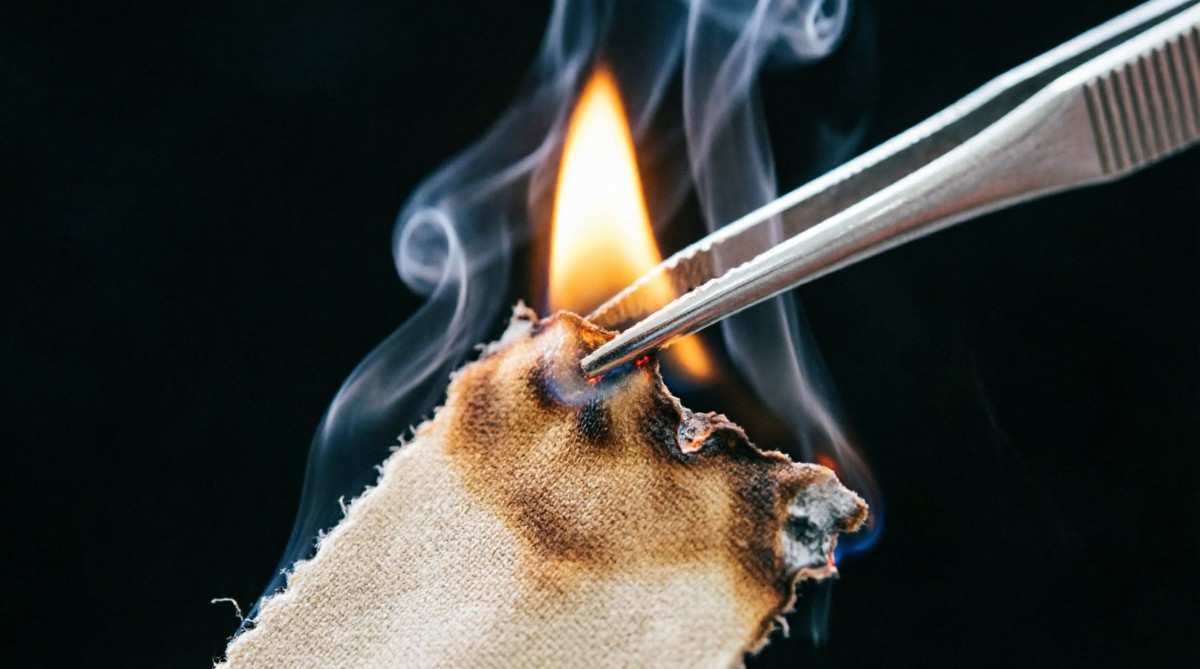
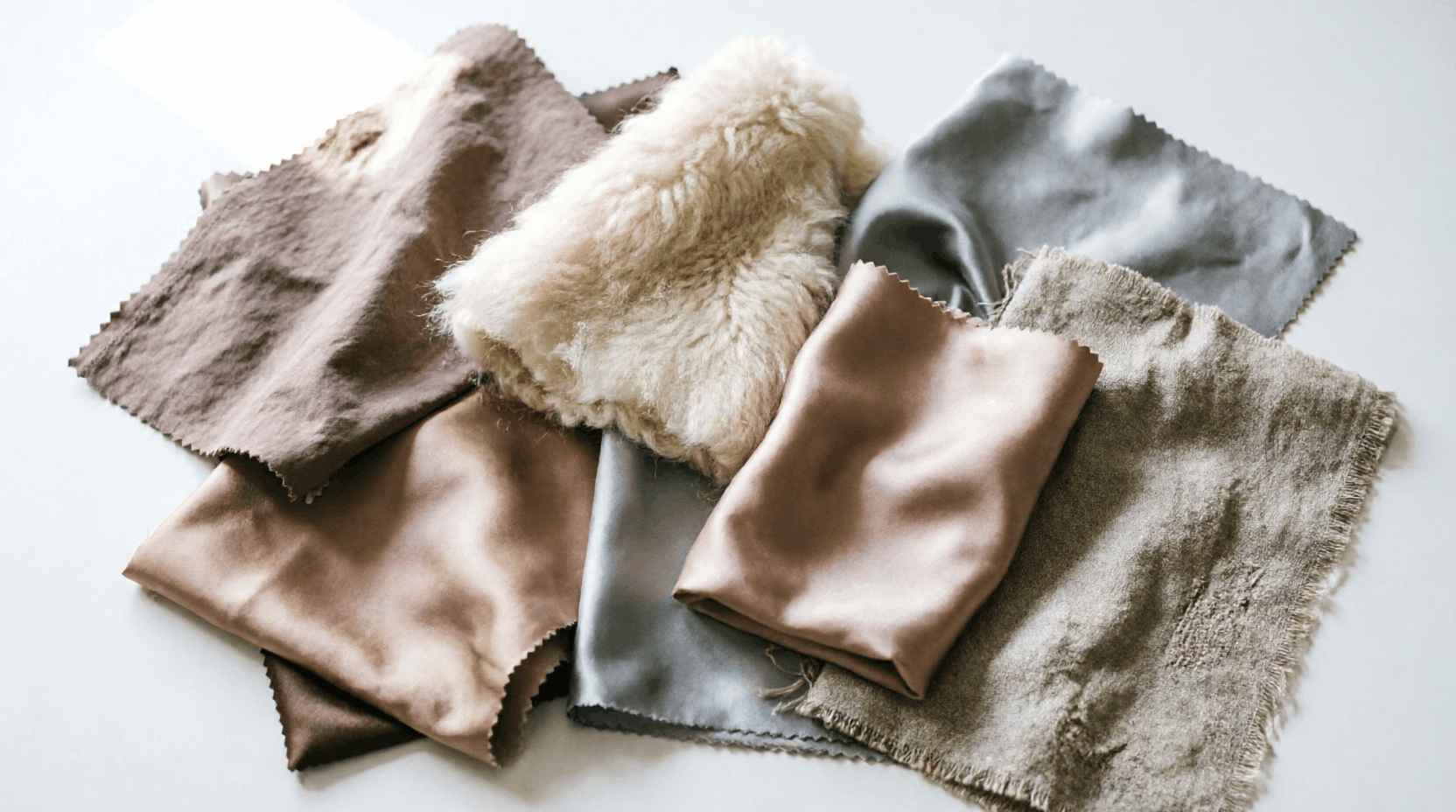
Shrinkage is not random. It follows predictable patterns based on the fiber type, the construction of the fabric, and the conditions it is exposed to during washing and drying. Understanding the mechanics of shrinkage — what actually happens at the fiber level — gives you the knowledge to prevent it systematically rather than discovering it after the damage is done.
What Is Fabric Shrinkage?
Fabric shrinkage is a reduction in the dimensions of a fabric — its length, width, or both — after exposure to water, heat, or mechanical agitation. The garment or fabric becomes physically smaller than it was before washing. Shrinkage is measured as a percentage — a fabric that shrinks from 20 inches to 19 inches has shrunk 5 percent in that dimension.
Shrinkage almost always reduces the size of a fabric rather than enlarging it, because the underlying causes all involve fibers or yarn returning to a more compact state. A fabric that has been stretched, tensioned, or held in an extended position during manufacturing will naturally try to return to its relaxed, unstretched state when those forces are released — and washing releases them.
The Three Types of Shrinkage
Not all shrinkage happens for the same reason. There are three distinct mechanisms, and understanding which one applies to your fabric tells you exactly how to prevent it.
Relaxation shrinkage
This is the most common type of shrinkage and affects virtually all woven and knitted fabrics to some degree. During manufacturing, fabric is stretched and held under tension on the loom, through finishing machines, and on the bolt. The fibers and yarns are physically extended beyond their natural resting state. When the fabric is first wetted — in washing — that tension releases and the fibers spring back toward their natural, unstretched length. The fabric becomes shorter and narrower as a result.
Relaxation shrinkage is largely a one-time event. A fabric that has been properly pre-washed before sewing or wearing will have already released most of its relaxation shrinkage and will be dimensionally stable in subsequent washes. This is why pre-washing fabric before cutting a sewing project is so important — the garment will not shrink unexpectedly after it is finished.
Consolidation shrinkage
Consolidation shrinkage is caused by the mechanical action of washing and drying — the repeated squeezing, tumbling, and friction that moves fibers around and causes them to pack together more tightly. As fibers consolidate, they interlock more firmly and the fabric contracts. Heat accelerates this process significantly by softening the fibers and making them more mobile during agitation.
Unlike relaxation shrinkage, consolidation shrinkage is cumulative — it continues to some degree with every wash, though the rate slows significantly after the first few cycles. This is why a cotton t-shirt that fits perfectly new may feel progressively shorter and tighter over two or three years of regular washing, even when washed carefully. The shrinkage is gradual rather than sudden.
Felting shrinkage
Felting shrinkage is unique to protein fibers — primarily wool, but also cashmere, alpaca, and mohair. Wool fibers have a microscopic surface structure of overlapping scales, similar to fish scales or roof tiles. Under normal conditions these scales lie flat. When exposed to a combination of heat, moisture, and mechanical agitation, the scales open up, hook onto the scales of adjacent fibers, and lock together irreversibly. The fibers tangle and mat together, and the fabric contracts dramatically — sometimes to a fraction of its original size.
Felting shrinkage is the most severe type and the most permanent. A wool sweater that felts does not just shrink — it changes its fundamental structure, becoming dense and matted in a way that cannot be reversed. A large adult sweater can felt to something that would fit a small child in a single machine wash cycle on a warm or hot setting. This type of shrinkage is entirely preventable with proper care — but once it has happened, it cannot be undone.
Which Fabrics Shrink the Most
Cotton
Cotton is the most commonly shrunk fabric in everyday laundry simply because it is the most commonly worn. Untreated cotton can shrink anywhere from 3 to 10 percent in the first wash depending on how tightly it was woven, how much tension it was under during manufacturing, and the wash conditions. Cotton shrinks primarily through relaxation and consolidation — it does not felt. Most of the shrinkage happens in the first one or two washes, after which cotton becomes relatively stable. Preshrunk or sanforized cotton has been mechanically pre-shrunk during manufacturing and will shrink minimally in subsequent washes.
Wool
Wool is the highest-risk fabric for shrinkage because it is subject to all three types — relaxation, consolidation, and felting. Felting shrinkage in particular can be catastrophic, with shrinkage of 30 to 50 percent possible in a single incorrect wash cycle. Even wool garments washed carefully can experience gradual consolidation shrinkage over time. Superwash wool — wool that has been chemically or mechanically treated to remove or flatten the surface scales — is machine washable and will not felt, but it can still experience relaxation and consolidation shrinkage.
Linen
Linen shrinks noticeably on first wash — typically 3 to 5 percent — primarily through relaxation shrinkage as the manufacturing tension releases. After pre-washing, linen becomes quite stable and resists further shrinkage well. Because linen fibers are naturally strong and do not have the scale structure of wool, linen does not felt and consolidation shrinkage is relatively minor.
Rayon and viscose
Rayon is one of the most shrinkage-prone fabrics available. It can shrink 5 to 10 percent or more in the first wash, and unlike cotton, it continues to shrink with repeated washing because its fiber structure is weaker and more susceptible to water-induced swelling and distortion. Rayon shrinks primarily through relaxation and consolidation, and it is also prone to stretching when wet, which can cause it to distort in both directions. Many rayon garments are labeled dry clean only specifically to prevent shrinkage damage from home washing.
Silk
Silk can shrink 3 to 5 percent in its first wash and continues to shrink gradually with repeated washing. The shrinkage is primarily relaxation-based. More concerning for silk is that washing can also alter the fiber's luster, cause color bleeding, and create water marks — which is why many silk garments are labeled dry clean only even though silk itself can technically survive careful hand washing.
Synthetic fibers
Polyester, nylon, and acrylic are among the most dimensionally stable fabrics available. They shrink minimally because synthetic polymer fibers are not subject to the same water-absorption mechanics as natural fibers. Polyester is essentially immune to shrinkage under normal washing conditions. The exception is high heat — tumble drying synthetics on high heat can cause some dimensional change as the fibers soften and relax. At normal and low heat settings, synthetics are reliably stable.
| Fiber | Shrinkage Type | Typical First-Wash Shrinkage | Risk Level |
|---|---|---|---|
| Cotton (untreated) | Relaxation + consolidation | 3 — 10% | Moderate |
| Cotton (preshrunk) | Minimal consolidation | 1 — 3% | Low |
| Wool (untreated) | Relaxation + consolidation + felting | Up to 50% if felted | Very high |
| Wool (Superwash) | Relaxation + consolidation | 3 — 5% | Low to moderate |
| Linen | Relaxation | 3 — 5% | Moderate first wash, low after |
| Rayon / Viscose | Relaxation + consolidation | 5 — 10%+ | High |
| Silk | Relaxation | 3 — 5% | Moderate |
| Polyester | Minimal | Less than 1% | Very low |
| Nylon | Minimal | Less than 1% | Very low |
The Three Triggers of Shrinkage — Heat, Water, and Agitation
Heat
Heat is the most powerful trigger of shrinkage and the easiest to control. Heat softens and mobilizes fibers, making them more susceptible to consolidation and — in wool — dramatically accelerating the felting process. The dryer is the single biggest cause of shrinkage in most American households, because the combination of high heat and tumbling agitation hits all three shrinkage triggers simultaneously. Reducing dryer heat or eliminating the dryer entirely is the single most impactful change you can make to prevent shrinkage.
Water
Water alone causes relaxation shrinkage by releasing the tension held in manufactured fabric and allowing fibers to swell and return to their natural state. Every natural fiber absorbs water and swells when wet — cotton swells by up to 20 percent in diameter, silk by about 30 percent. This swelling loosens the weave structure and allows the yarns to shift and shorten as the manufacturing tension releases. Cold water causes less fiber swelling than hot water, which is why cold water washing reduces shrinkage compared to warm or hot water washing.
Agitation
Mechanical agitation — the tumbling and churning of a washing machine or dryer — causes consolidation shrinkage by physically moving fibers around and encouraging them to pack together more tightly. For wool, agitation combined with heat and moisture activates felting by opening the scale structure and causing fiber entanglement. The agitation level of a washing machine cycle matters enormously for shrinkage-prone fabrics — a gentle or delicate cycle with reduced agitation causes significantly less consolidation than a normal or heavy cycle.
How to Prevent Shrinkage — Practical Steps
Pre-wash fabric before sewing
If you sew your own garments, always pre-wash and dry fabric before cutting. This releases the relaxation shrinkage that was built in during manufacturing, so the finished garment will be dimensionally stable in subsequent washes. Pre-wash using the same method you intend to use for the finished garment — if you plan to machine wash, pre-wash in the machine. If you plan to hand wash, pre-wash by hand. A garment cut from un-pre-washed fabric will shrink after the first wash and may fit incorrectly.
Wash in cold water
Cold water reduces fiber swelling and slows the relaxation shrinkage process compared to warm or hot water. For most everyday garments, cold water cleans just as effectively as warm water with a good detergent. Switching your machine's default temperature from warm to cold is one of the simplest and most effective shrinkage prevention steps available — and it saves energy at the same time.
Use the gentle or delicate cycle
Reducing agitation reduces consolidation shrinkage. For natural fiber garments and anything prone to shrinkage, use the gentle or delicate cycle rather than the normal cycle. The shorter wash time and reduced spin speed of a gentle cycle move fibers around less and cause less compaction.
Hand wash wool and delicates
Hand washing eliminates the mechanical agitation of the machine entirely, reducing consolidation shrinkage dramatically and eliminating any risk of felting in wool. A gentle hand wash in cool or lukewarm water — support the fabric rather than wringing or twisting it — is the safest washing method for any shrinkage-prone fiber.
Air dry instead of tumble drying
The dryer is responsible for more shrinkage than the washing machine in most households. Air drying — either laid flat for knits and wool, or hung on a hanger for woven garments — eliminates heat-driven shrinkage entirely. If you must use a dryer, use the lowest heat setting and remove the garment while it is still slightly damp, then reshape and allow it to finish drying flat or on a hanger.
Dry wool flat
Wool and knit garments should always be dried flat — never hung. Hanging a wet knit allows gravity to pull the wet fibers downward, stretching the garment out of shape in the length direction. Lay wool flat on a clean towel, reshape it to its correct dimensions, and allow it to air dry completely before moving it.
Can You Unshrink a Garment?
For relaxation and consolidation shrinkage, partial recovery is sometimes possible. Soaking the garment in cool water with a small amount of hair conditioner or baby shampoo — which slightly relaxes the fiber structure — then gently stretching it back to its original dimensions while wet and blocking it flat to dry can recover some of the lost size. This works best on wool and cotton and works better on slight shrinkage than on severe cases. The results are inconsistent and the technique requires patience, but it is worth attempting on a garment you care about.
Felting shrinkage in wool cannot be reversed. Once wool has felted — the scales have locked together and the fiber structure has changed — there is no way to separate those fibers and restore the original fabric. The garment is permanently smaller and denser. Prevention is the only option with felting shrinkage, which is why understanding the conditions that cause it matters so much.
Frequently Asked Questions
Does preshrunk cotton still shrink?
Yes, but much less than untreated cotton. Preshrunk or sanforized cotton has been mechanically compacted during manufacturing to release most of its relaxation shrinkage potential before it reaches you. You can expect 1 to 3 percent additional shrinkage over the life of the garment from ongoing consolidation shrinkage with regular washing, but the dramatic first-wash shrinkage of untreated cotton is largely eliminated. Pre-shrunk cotton is still best washed in cold or warm water rather than hot.
Why does my shirt shrink in length more than in width?
Because most fabric is stretched more in the lengthwise direction — the warp — during manufacturing than in the crosswise direction. The warp threads are held under the most tension on the loom, so they have the most built-in tension to release when washed. Relaxation shrinkage therefore affects the length of a garment more than the width, which is why shirts typically become shorter rather than narrower after washing.
Does dry cleaning prevent shrinkage?
Yes — dry cleaning uses chemical solvents rather than water, which means the fiber swelling that causes relaxation shrinkage does not occur. The gentle tumbling in a dry cleaning machine also causes far less mechanical agitation than a home washer. For shrinkage-prone fabrics like wool, rayon, and some silks, dry cleaning is the safest care method for preserving dimensions. The trade-off is cost and the chemical footprint of the cleaning process.
Can I machine wash wool if I use cold water and a gentle cycle?
For regular wool, even cold water and a gentle cycle carry a risk of felting because the mechanical agitation of the machine — even on the gentlest setting — combined with moisture can initiate the scale-entanglement process. The safest machine washing for non-Superwash wool uses a hand wash cycle with minimal agitation and a very short spin, in a mesh laundry bag, in cold water. Superwash wool is specifically treated to be machine washable and is safe in a gentle machine cycle. When in doubt, hand wash.
Do natural fibers shrink more than synthetics?
Yes, consistently. Natural fibers absorb water, swell, and respond to heat and agitation in ways that synthetic polymers do not. Polyester, nylon, and acrylic are dimensionally stable because their polymer structure does not interact with water the same way natural cellulose and protein fibers do. Blended fabrics containing both natural and synthetic fibers shrink less than pure natural fiber fabrics — the synthetic component stabilizes the natural fiber component — which is one practical reason why cotton-polyester blends are so common in everyday clothing.
The Bottom Line
Fabric shrinkage is predictable, understandable, and in most cases preventable. The three types — relaxation, consolidation, and felting — each have distinct causes and distinct prevention strategies. Relaxation shrinkage is largely a one-time event best addressed by pre-washing before sewing or accepting initial shrinkage in new garments. Consolidation shrinkage accumulates gradually and is minimized by cold water, gentle cycles, and air drying. Felting shrinkage is catastrophic and irreversible in wool and is prevented entirely by avoiding the combination of heat, moisture, and agitation that triggers it.
The practical summary is simple: use cold water, reduce agitation, and stay out of the dryer for natural fiber garments. These three habits, applied consistently, will keep your clothes fitting the way they were intended to fit — wash after wash, year after year.