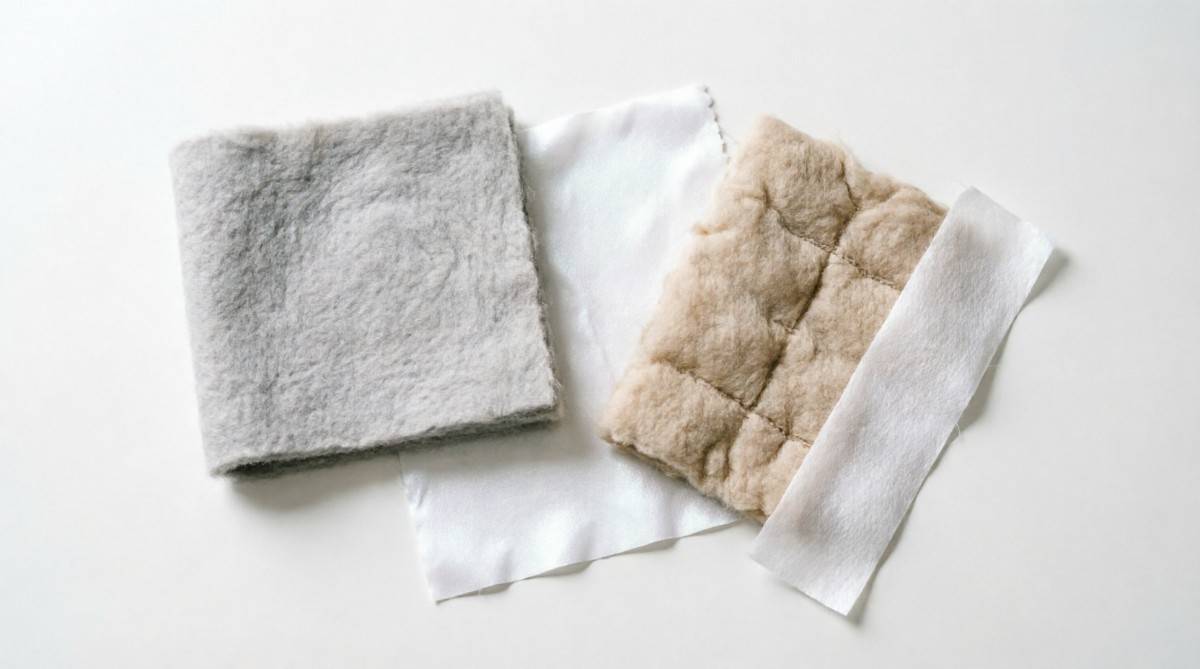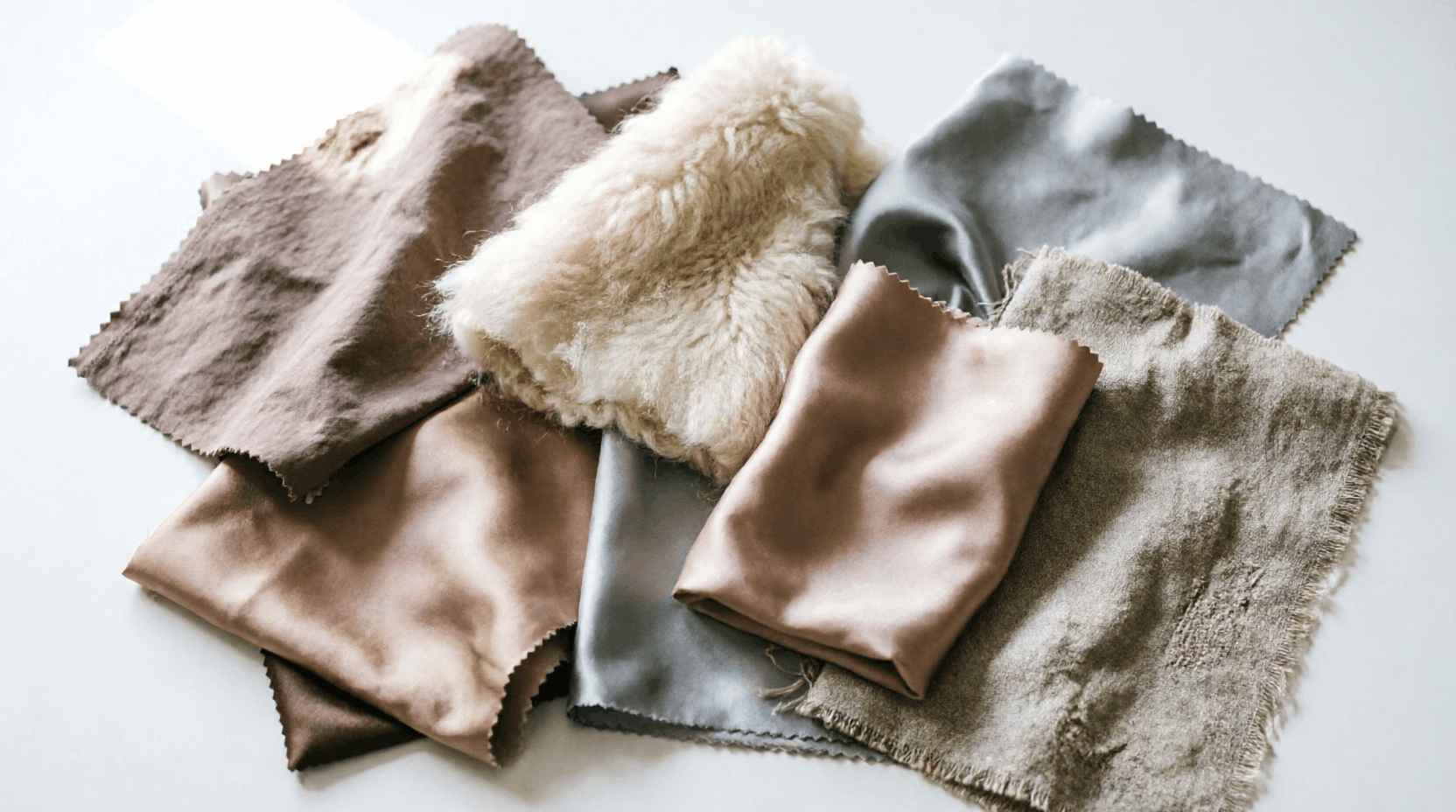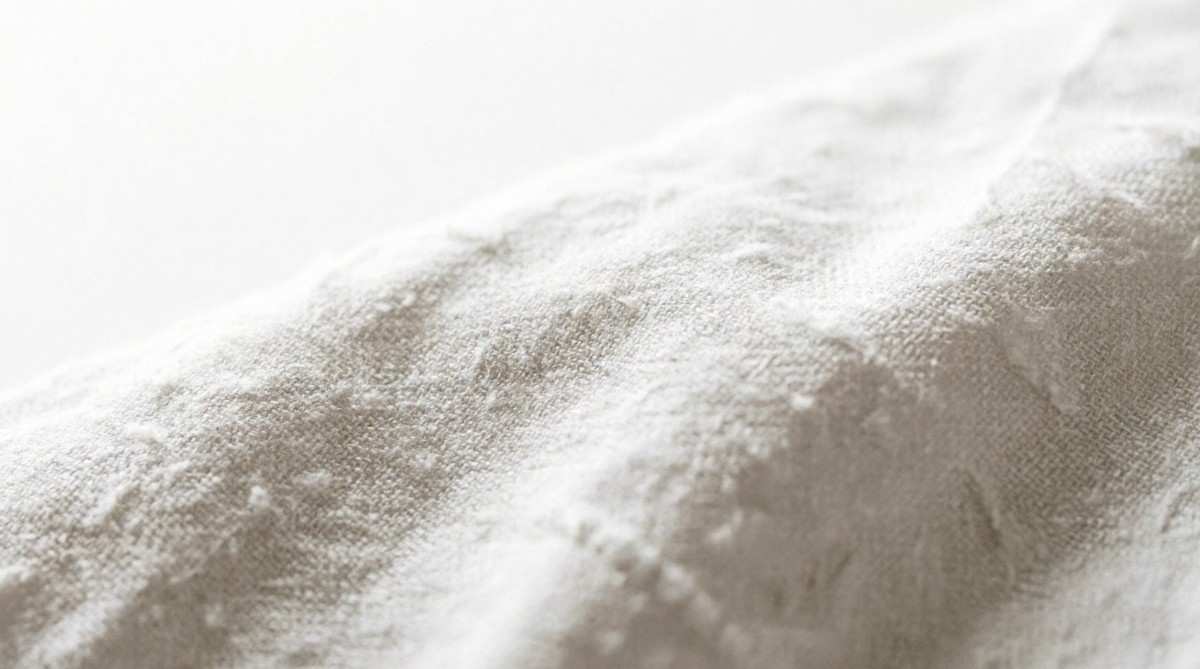
The good news is that fabric identification at home is genuinely possible using simple tests that require nothing more than your hands, a glass of water, and occasionally a lighter. Professional textile labs use chemical analysis, microscopy, and spectroscopy for precise fiber identification. At home, you are working with a combination of physical and sensory tests that narrow down the possibilities quickly and identify most common fabrics with reasonable confidence. Here are five tests, used together, that will identify the vast majority of fabrics you are likely to encounter.
Before You Start — What You Are Looking For
Fabric identification works by process of elimination. No single test will definitively identify every fiber on its own, but each test rules out possibilities and narrows the field. The most useful approach is to run two or three tests in sequence and look for a consistent pattern in the results. A fabric that feels warm and slightly rough, absorbs water readily, and burns with a clean flame and the smell of burning paper is almost certainly cotton or linen. A fabric that feels cool and smooth, absorbs water slowly, and melts rather than burns is almost certainly synthetic.
Before running any test, check whether the fabric has a care label. Many countries require fiber content labels on new clothing and fabric. If a label is present, start there — the label tells you the fiber content directly. The tests below are for situations where no label exists, the label has been removed, or you want to verify a label's accuracy.
Test 1 — The Look Test
Start with your eyes before you do anything else. Visual inspection will not give you a definitive answer, but it will narrow the field significantly and tell you what you are probably working with before you handle it.
What to look for
Hold the fabric up to a light source and examine the surface and structure. Natural fibers — cotton, linen, wool, silk — have a slight irregularity to them. The threads are not perfectly uniform. There are subtle variations in thickness, small irregularities in the surface, and a texture that feels organic. Synthetic fibers — polyester, nylon, acrylic — are more uniform and consistent, with threads that look almost identical to each other under close inspection.
Linen has a distinctive slubby texture — slight irregular thickening in the yarns — that is immediately recognizable once you know what to look for. Silk has a natural sheen that is warmer and less uniform than the colder, more metallic sheen of polyester satin. Wool has a visible surface fuzz or halo. Denim has a characteristic diagonal twill line with indigo-dyed warp threads showing white wear at the surface. These visual signatures are not definitive on their own but they give you a strong starting hypothesis to test further.
Check the sheen
Hold the fabric at an angle and observe how it reflects light. Natural fibers tend to reflect light in a warmer, more diffuse, slightly irregular way. Synthetic fibers tend to have a colder, brighter, more uniform sheen. Polyester in particular has a distinctive plastic-like gloss that is difficult to mistake once you have seen it. Silk shines beautifully but the sheen shifts and changes as the fabric moves — it has a depth that polyester satin lacks.
Test 2 — The Feel Test
Handle the fabric carefully and pay attention to what your hands tell you. The feel test — called the hand test in the textile industry — is one of the most informative tests available, and with a little practice it becomes surprisingly reliable.
Temperature
Press the fabric against your cheek or the inside of your wrist — skin sensitive enough to detect subtle temperature differences. Natural plant fibers — cotton and linen — feel cool to the touch because they conduct heat away from your skin readily. Wool and silk feel closer to body temperature. Synthetic fibers like polyester and acrylic tend to feel slightly warm or neutral — they do not conduct heat away from the skin the way cotton does, which is why synthetic fabrics can feel clammy in warm weather.
Weight and drape
Hold the fabric loosely and let it fall. Natural fibers generally drape more fluidly and have a more substantial, grounded weight than synthetics of equivalent thickness. Polyester fabric often feels lighter and slightly stiffer than equivalent cotton, and it tends to hold its shape more rigidly rather than flowing naturally. Silk drapes in long, fluid folds that feel almost liquid. Linen drapes with a crisp, structured quality that relaxes over time.
Surface texture
Run your fingers across the fabric surface. Linen has a slightly rough, almost papery texture when new that softens with washing. Wool has a springy, slightly scratchy quality and a natural warmth. Cotton feels soft and slightly matte. Silk feels cool, impossibly smooth, and slightly slippery. Polyester often has a slightly plasticky smoothness that is difficult to describe precisely but becomes recognizable quickly. Acrylic — the synthetic wool alternative — often feels softer than wool initially but has a slight pilling tendency and lacks wool's natural springiness.
Test 3 — The Water Absorption Test
This test is quick, non-destructive, and very informative. It tells you immediately whether you are dealing with a natural fiber or a synthetic one — the single most useful initial distinction in fabric identification.
How to do it
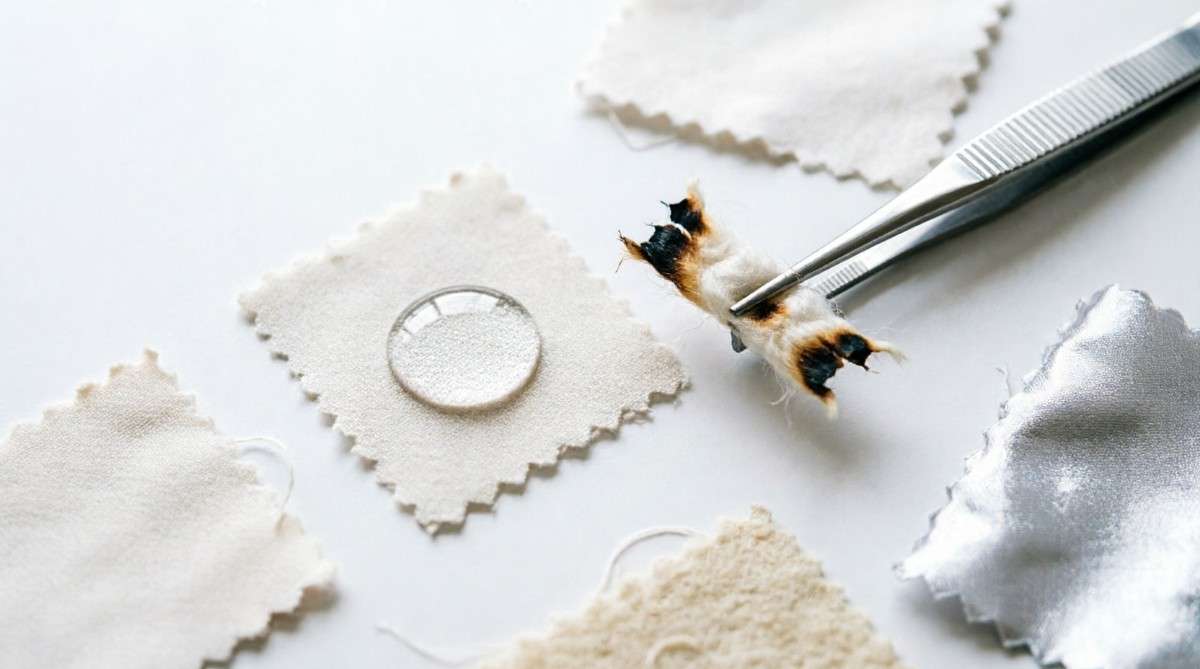
Place a small drop of water on the fabric surface and watch what happens. Do not press it in — just let the drop sit and observe. Time how quickly the water absorbs or whether it beads up and sits on the surface.
What the results mean
Natural fibers — cotton, linen, wool, silk — are hydrophilic, meaning they attract and absorb water readily. A drop of water on cotton or linen will spread and absorb almost immediately, usually within one to three seconds. Wool absorbs water more slowly but will eventually absorb it completely. Silk absorbs water readily but may show a temporary water mark.
Synthetic fibers — polyester, nylon, acrylic — are hydrophobic, meaning they repel water. A drop of water on polyester will bead up and sit on the surface rather than absorbing. You can tilt the fabric and the water drop will roll off cleanly. Nylon is slightly more water-absorbent than polyester but still noticeably more water-resistant than natural fibers.
Blended fabrics sit between these two extremes — a 60% cotton 40% polyester blend will absorb water, but more slowly and less completely than 100% cotton. If water absorbs quickly and completely, you are most likely dealing with a natural fiber or a high-natural-content blend. If water beads and rolls off, you are looking at a synthetic or heavily treated fabric.
Test 4 — The Stretch and Recovery Test
This test helps distinguish between fiber types and identifies the presence of stretch fibers like spandex or elastane, which are increasingly common in modern fabrics.
How to do it
Hold a small section of the fabric between both hands and stretch it gently — first along the lengthwise grain, then along the crosswise grain, then on the bias. Observe how much it stretches and how completely it recovers when you release the tension.
What the results mean
Woven natural fiber fabrics — cotton, linen, silk, wool — have very little stretch on the lengthwise and crosswise grain and moderate stretch on the bias. They recover fully from gentle stretching. If you feel significant stretch in a woven fabric — particularly lengthwise stretch — the fabric almost certainly contains spandex or elastane, even in small amounts as low as 2 to 5 percent.
Knit fabrics stretch in both directions regardless of fiber content, because the loop structure of knitting is inherently stretchy. Knit cotton, knit wool, and knit polyester all stretch. The recovery tells you about the fiber — natural fiber knits recover slowly and may not return fully to their original dimension, while spandex-blended knits snap back immediately and completely.
Wool has a natural springiness — a built-in resilience — that no other natural fiber matches. If a woven fabric has a slight bounce and spring when you press and release it, and a slight fuzziness to the surface, you are likely dealing with wool or a wool blend. Cotton pressed flat stays flat. Wool springs back.
Test 5 — The Burn Test
The burn test is the most definitive at-home fabric identification method available. It requires careful handling and a safe environment — do this outdoors or near an open window, away from flammable materials, with a small snipped sample rather than a large piece of fabric. But done carefully, it will identify most common fibers with high confidence.
How to do it
Cut a small sample — roughly one inch square or a few loose threads — from an inconspicuous area of the fabric. Hold the sample with metal tongs or tweezers, never with your fingers. Bring the sample to a flame slowly and observe how it behaves as it approaches the flame, while it burns, and after you remove it from the flame. Note the color and character of the flame, the smell of the smoke, and the nature of the ash or residue left behind.
What the results mean
Each fiber group has a distinctive burn signature that is difficult to mistake once you know what to look for.
Cotton and linen both burn with a steady orange flame, continue burning when removed from the flame, produce a soft grey or white ash that crumbles when touched, and smell like burning paper or burning leaves. The smell is clean and organic. There is no melting, no bead of residue, and no plastic smell.
Wool and silk both burn slowly, often self-extinguish when removed from the flame, produce a crushable dark ash, and smell strongly of burning hair or burning feathers. This smell is distinctly sulfurous and organic — it comes from the protein structure of both fibers. Wool chars and smolders rather than flaming brightly. Silk may leave a small, crushable bead of ash at the burned end.
Polyester melts as it burns, pulls away from the flame, produces a black sooty smoke, leaves a hard, shiny, non-crushable bead of melted plastic at the burned end, and smells like burning plastic. The melted bead is the most definitive indicator — no natural fiber leaves a hard plastic bead.
Nylon behaves similarly to polyester — it melts, shrinks away from the flame, leaves a hard plastic bead — but the bead is typically tan or grey rather than black, and the burning smell is slightly different, often described as celery-like or chemical rather than purely plastic.
Acrylic burns aggressively — it catches quickly, burns with a sputtering flame, produces black smoke, and leaves a hard, irregular, brittle black bead. The smell is acrid and chemical. Acrylic is often the easiest synthetic to identify by burn test because of its aggressive burning behavior.
| Fiber | Burn Behavior | Flame Color | Smell | Ash / Residue |
|---|---|---|---|---|
| Cotton | Burns steadily, continues after flame removed | Orange | Burning paper | Soft grey ash, crumbles |
| Linen | Burns quickly, continues after flame removed | Orange | Burning grass / leaves | Soft white ash, crumbles |
| Wool | Burns slowly, self-extinguishes | Small orange | Burning hair | Dark, crushable char |
| Silk | Burns slowly, self-extinguishes | Small orange | Burning hair / feathers | Small crushable bead |
| Polyester | Melts and shrinks from flame | Orange with black smoke | Burning plastic | Hard shiny black bead |
| Nylon | Melts, shrinks, drips | Blue-orange | Celery / chemical | Hard tan or grey bead |
| Acrylic | Burns aggressively, sputters | Orange, black smoke | Acrid chemical | Hard brittle black bead |
| Rayon / Viscose | Burns quickly, like cotton | Orange | Burning paper | Very little soft ash |
How to Use the Tests Together
No single test is infallible, and blended fabrics — which make up a large proportion of modern clothing — will give mixed signals. The key is to look for a consistent pattern across multiple tests rather than relying on any one result.
- Absorbs water fast + burns cleanly + soft ash + smells like paper — Cotton or linen. Distinguish between them with the feel test: linen feels slightly rougher and crisper, cotton feels softer.
- Absorbs water slowly + burns slowly + smells like burning hair + crushable dark ash — Wool or silk. Distinguish with the feel test: wool has a fuzzy surface and springy texture, silk is smooth and cool.
- Water beads up + melts rather than burns + hard plastic bead + plastic smell — Polyester, nylon, or acrylic. The character of the bead and smoke distinguishes between them.
- Absorbs water moderately + burns with some melting + slight plastic smell — Likely a natural and synthetic blend. The proportions of each fiber affect every test result proportionally.
- Woven fabric with significant stretch + any burn result — Contains spandex or elastane in addition to whatever the burn test identifies.
Frequently Asked Questions
Can I identify rayon and viscose at home?
Rayon and viscose are chemically similar to cotton — they are both cellulose-based fibers derived from wood pulp — and they behave similarly in most home tests. The burn test produces results very close to cotton: orange flame, paper smell, soft ash. The main distinguishing factor is the feel test: rayon and viscose tend to feel softer and more drapeable than cotton, with a subtle sheen, and they wrinkle more severely when crushed in the hand. Distinguishing rayon from cotton with complete certainty at home is difficult — a chemical solubility test in a laboratory is needed for a definitive answer.
Is the burn test safe to do at home?
Yes, with basic precautions. Use only a small sample — a few threads or a one-inch square is enough. Work outdoors or near an open window. Hold the sample with metal tongs, never with your fingers. Have a small bowl of water nearby to extinguish the sample. Never burn large pieces of fabric or test near other flammable materials. The burn test is a standard technique used by sewists, textile professionals, and thrift store buyers worldwide.
How do I identify a fabric blend?
Blends are the hardest case for home testing because every test gives a mixed result. A 50/50 cotton-polyester blend will absorb water more slowly than pure cotton, burn with some melting and some ash, and leave a residue that is partly soft and partly bead-like. The best approach is to note which characteristics dominate — a blend with more natural fiber will behave more like that natural fiber — and use the combination of tests to estimate the approximate ratio. For precise blend percentages, a textile laboratory analysis is the only reliable method.
Can I tell the difference between polyester and nylon at home?
Yes, with the burn test. Both melt and leave a hard plastic bead, but polyester produces black sooty smoke and a dark bead with a plastic smell, while nylon burns more cleanly with less smoke, leaves a lighter-colored bead, and has a distinctive celery-like chemical smell. The feel test also helps — nylon tends to feel slightly softer and more silky than polyester of equivalent weight, and it has a slightly cooler hand feel.
Why does my fabric feel like cotton but water beads on it?
Either the fabric is a cotton-synthetic blend with enough synthetic content to reduce water absorption, or the fabric has been treated with a water-repellent finish — a DWR (durable water repellent) coating or similar treatment applied to 100% natural fiber fabric for outdoor or performance use. Treated cotton and linen fabrics can shed water almost as effectively as synthetics while still feeling and burning like natural fiber. Check for a finish by testing an inside seam or a cut edge where any coating would not have been applied.
The Bottom Line
Identifying fabric at home is not an exact science, but it is far from guesswork. The five tests — look, feel, water absorption, stretch and recovery, and burn — each reveal something different about the fiber content of a fabric, and together they build a consistent picture that identifies most common fabrics with reasonable confidence. The burn test is the most definitive single test, but it requires care and is destructive. For non-destructive identification, the combination of look, feel, and water absorption will get you most of the way there for the majority of fabrics you are likely to encounter.
With a little practice, these tests become second nature. Experienced sewists, vintage clothing dealers, and textile buyers develop an instinctive sense for fiber content through the look and feel tests alone — the burn test becomes a confirmation rather than a primary tool. The more fabric you handle, the faster and more reliable your identification becomes.